Subscribe to our newsletter for the latest news and updates
Generative and Agentic AI for SEO: Practical Workflows
Learn how generative and agentic AI support query research, content briefs, audits, and updates, with clear review steps and practical measurement.
Generative and Agentic AI for SEO: Practical Workflows
Content reviewed: November 1, 2026.
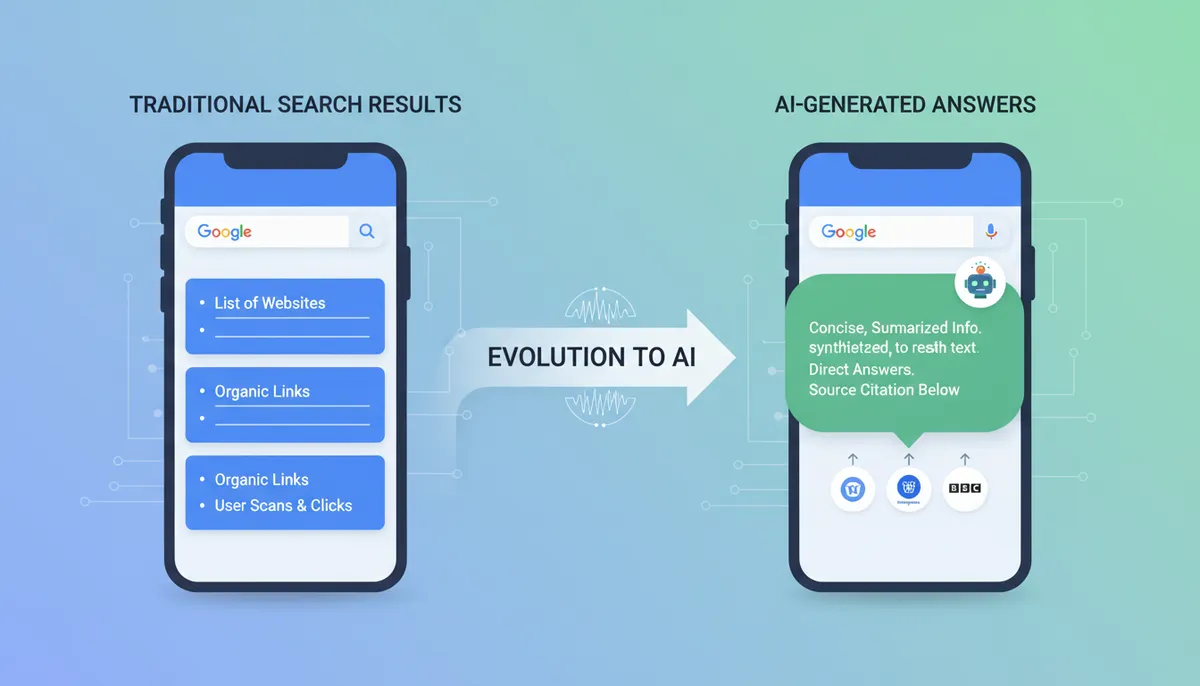
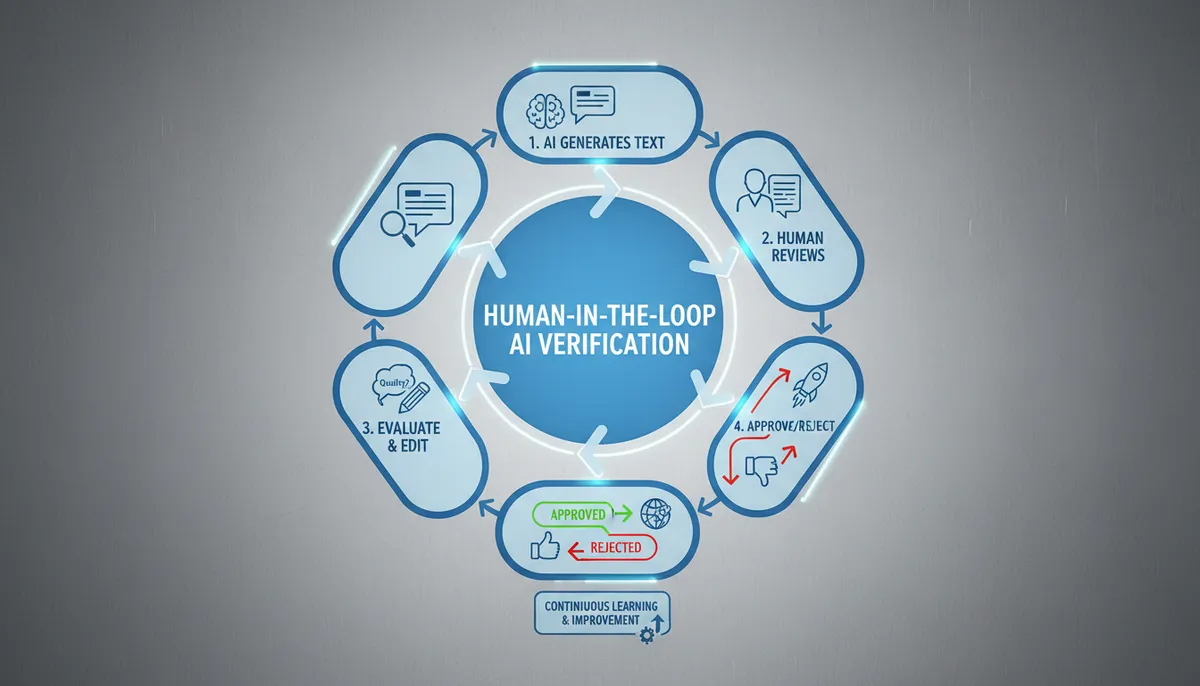
AI can help an SEO team draft a brief, categorize queries, or inspect a crawl export. The important distinction is how the work is controlled. A model that suggests a change and an agent that can publish that change require different review processes.
This guide focuses on workflows you can evaluate with your own data. It does not promise a traffic increase, cite invented customer results, or assume that autonomous publishing is the right choice for every site.
Generative AI and agentic AI: what changes?
For this guide, generative AI means using a model to produce or transform material in response to instructions. Examples include drafting a summary, proposing headings, or explaining a technical report.
An agentic workflow adds tools and a sequence of actions toward a task: retrieve a report, inspect affected URLs, propose a fix, and prepare it for review. The distinction is practical rather than absolute. The same model can be part of either workflow, and an “agent” label does not prove that a product can safely act on your website.
Workflow
Example output
Review point
Generative
A draft based on approved notes
Before content enters the CMS
Read-only agent
A report assembled from a crawl and performance export
Start with a dated export containing queries, landing pages, impressions, and clicks. Specify the categories you need, such as informational research, product comparison, troubleshooting, and branded navigation.
Ask AI to classify a small sample first. Require a reason for each label and an “uncertain” category. Check ambiguous cases before running a larger batch. A query about “best audit tool,” for example, may express commercial research rather than an immediate purchase intent.
Save the input file, classification rules, and reviewed output. This lets you identify whether later differences come from new data or a changed classification process. Treat cluster names as working labels; they are not evidence of future demand.
Workflow 2: turn approved research into a brief
Give the model a reader question, authoritative sources, existing site pages, and your product's verified capabilities. Ask for an outline with an evidence requirement under each heading.
The output should distinguish facts already supported by sources from examples still needed. Supply your own observations where the article claims experience. Do not allow the model to turn a hypothetical customer into a named success story or invent conversion gains.
For a product-assisted process, Frase's research documentation describes search research and briefing. Jasper's Brand Voice documentation explains how supplied examples guide writing style. These capabilities can assist production; they do not validate every generated statement.
Workflow 3: investigate a technical SEO issue
Give a read-only agent a narrow question: “Which pages in this crawl have conflicting canonical signals?” Require the underlying URLs and observations in the answer.
Keep diagnosis separate from a proposed remedy. A redirected URL is not automatically a bug, and an unfamiliar canonical may be intentional. Ask the agent to explain the expected behavior, the actual behavior, and the evidence supporting a change.
For an approved fix, prepare a small patch or CMS draft, review the affected pages, and record a rollback path. Changes to redirects, indexability, canonical tags, and internal links deserve particular care because one rule can affect many URLs.
Workflow 4: refresh an existing article
Extract the title, description, main text, comparison tables, links, and image descriptions. Look for old years, obsolete product names, prices without a verification date, unsupported numerical claims, and recommendations that no longer match the reader's task.
Update the evidence as well as the wording. Keep an edit log showing what changed and why. Preserve the original publication date and add a clearly labeled review date when appropriate, rather than making an unchanged article look newly researched.
Google's generative content guidance emphasizes accuracy review and useful original value. An agent's completed checklist is not a substitute for an editor reading the final page.
Measure search results and AI visibility separately
Track the business result the workflow is meant to improve: qualified traffic, completed tasks, inquiries, or purchases. Compare against a baseline and account for changes in demand, site structure, and other marketing activity.
If you test AI visibility, define a repeatable prompt set and record platform, date, response, and cited URL. A mention and a citation are different observations. Neither automatically means that a visitor converted.
Google's AI features documentation says ordinary SEO best practices remain relevant to AI Overviews and AI Mode. Avoid treating a new file format or a proprietary “AI score” as a guaranteed route to inclusion.
Where GEOly fits
GEOly is a directory for discovering SEO and GEO tools, organized to help readers find products for specific tasks.
Use the directory to assemble a shortlist, then check each vendor's current documentation, access controls, integrations, and export options. Start with a read-only task, measure the review effort it saves, and expand permissions only when the workflow has earned that trust.