Subscribe to our newsletter for the latest news and updates
16 SEO Content Optimization Tools: Compare by Workflow
Compare 16 SEO content tools for research, editing, WordPress, and audits. Check current features, pricing terms, and workflow fit before choosing.
16 SEO Content Optimization Tools: Compare by Workflow
Product information reviewed: November 1, 2026.
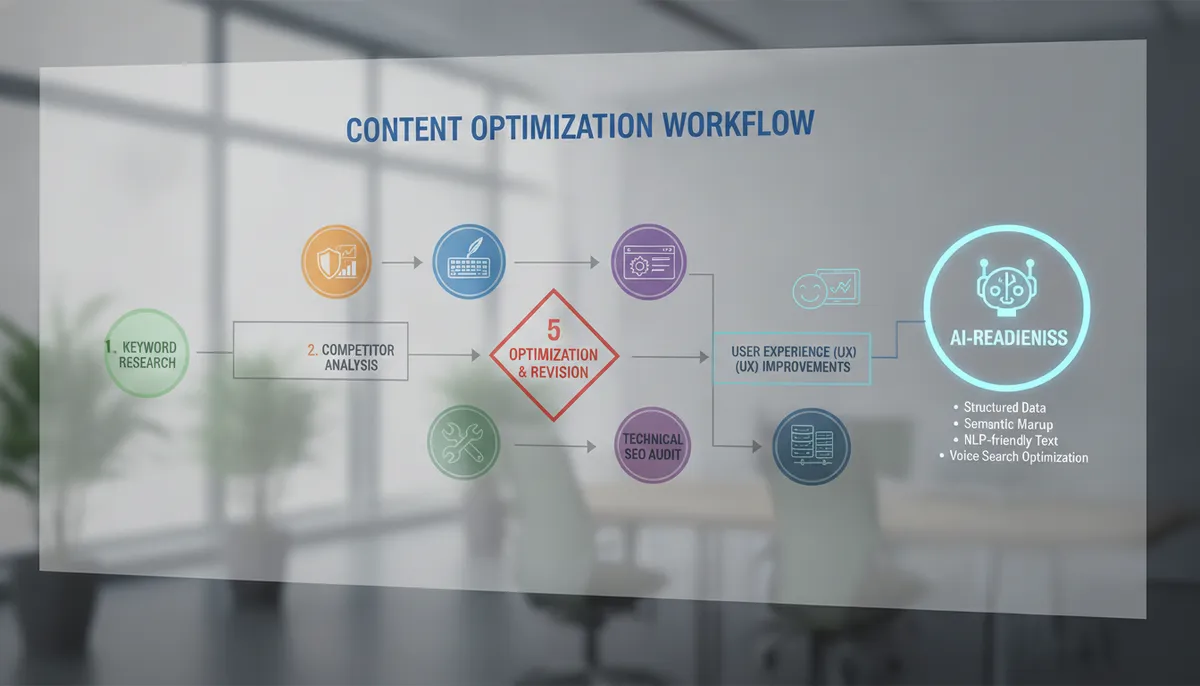
Content optimization includes several jobs: understanding demand, planning coverage, editing a draft, implementing changes, and measuring the result. A good tool for one stage may be a poor fit for another. A readability editor cannot tell you whether a page is indexed, while a crawler cannot decide whether your explanation answers a customer's question.
This comparison identifies 16 distinct options and the work each can support. It is based on official product information, not a controlled performance test. There is no universal winner: choose a product that resolves a demonstrated bottleneck in your workflow.
Compare the tools by the job they do
The product links in this table lead to official information. Exact plan allowances, integrations, and AI credits should be checked before purchase.
Whether crawl settings and extracted fields capture the issue you are investigating
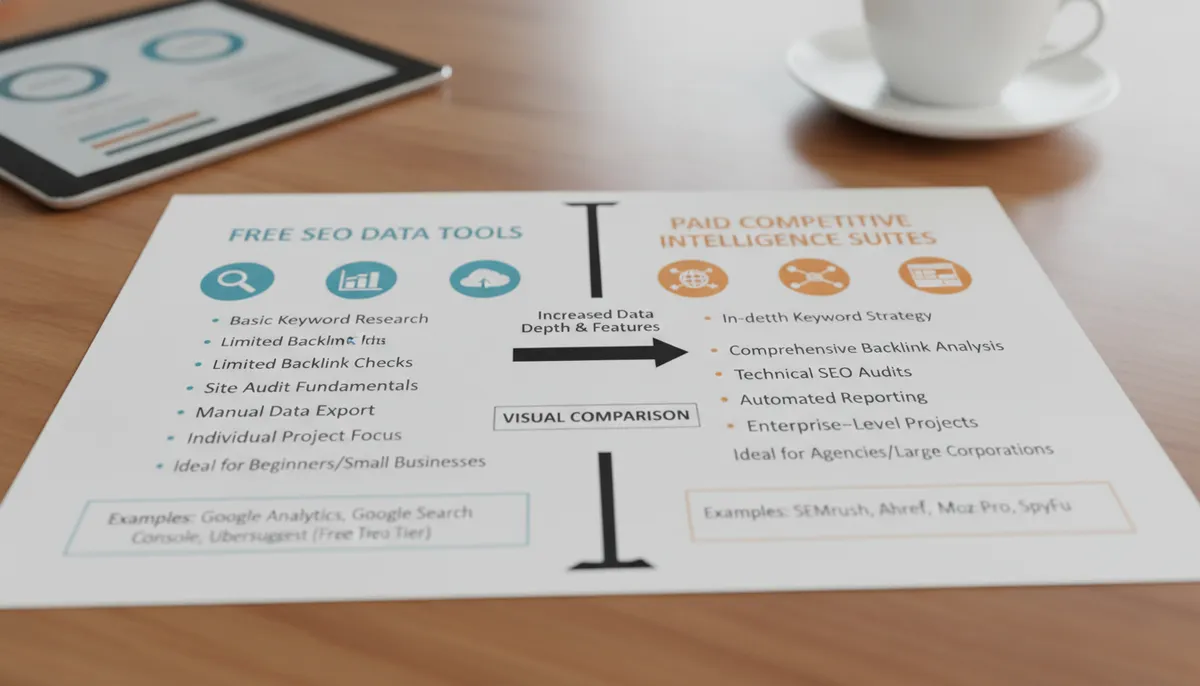
The table separates editorial products from supporting research and technical tools. You do not need all 16, and tools in different rows should not be compared solely on their content scores.
What has changed since older comparisons?
Ahrefs now offers AI Content Helper, including an editor and topical coverage feedback. Describing Ahrefs as having no writing interface is outdated.
Semrush's current product navigation includes a Content Toolkit, while its SEO Writing Assistant documentation describes a specific editing product. Do not assume that an old package name or a historical subscription tier still describes the offer you will buy.
Clearscope's current site describes discovery, tracking, writing, and monitoring. An older description limited to enterprise content grading misses that wider scope. Nevertheless, a broader feature list is only useful if those features solve work your team actually performs.
Evaluate price as a workflow cost
This revision removes the previous article's fixed starting-price claims. They mixed historical plans, different billing periods, and assumptions about included features. Instead, collect a dated quote from the vendor for the exact configuration you need.
Record the billing currency, monthly versus annual commitment, seats, supported sites, document or credit allowance, overage charges, and cancellation terms. For AI visibility products, also record the supported platforms, prompt allowance, market coverage, and observation frequency. Avoid comparing a limited trial against another product's full paid allowance.
Then estimate the work around the subscription: onboarding, integrations, editing, fact-checking, and report preparation. A low subscription fee can still be a poor value if every draft requires extensive cleanup.
Run a small comparison on your own pages
Choose three representative tasks: refresh an article with declining clicks, brief a new topic, and edit a draft that needs clearer explanations. Give shortlisted tools the same source material, audience, and acceptance criteria.
Have an editor assess the result before looking at the vendor score. Track missing evidence, factual corrections, useful suggestions, unnecessary additions, export quality, and total review time. A tool that produces more text is not necessarily doing more useful work.
For a small editorial operation, begin with performance data and the editor you already use. Add a specialist when it consistently improves briefs or revisions. For an agency, place more weight on client separation, collaboration, and export. For a large organization, test permissions and integration effort with the people who will maintain the system.
Use optimization scores as prompts for investigation
A high vendor score does not verify a claim, prove originality, or promise a ranking. Keep the central question visible: does the page help its intended reader complete a task?
Google's AI features guidance does not prescribe a proprietary content score for inclusion. Assess an AI-related feature by the evidence it exposes and the decisions it helps you make.
For a complete production process, see AI tools for SEO content. Use GEOly to discover more candidates, then verify current product details directly before choosing a plan.