Subscribe to our newsletter for the latest news and updates
Mastering SEO in the AI Era: Key Trends & Shifts for 2025
The AI revolution is here. Discover how Generative Engine Optimization (GEO) reshapes SEO, from AI Overviews to E-E-A-T. Master new strategies & tools for 2025-2026.
Mastering SEO in the AI Era: Key Trends and Fundamental Shifts
Remember when ranking #1 meant just matching a few keywords and building a handful of backlinks? Those days are gone. We’ve moved from a "library of links" to a world of instant, AI-generated answers. If your content isn't optimized for how machines summarize information, you aren't just dropping in rank, you’re becoming invisible.
The core shift is simple: Google and Perplexity aren't just looking for relevant pages; they are looking for authoritative citations. You aren't competing for a click anymore; you’re competing to be the "source" that the AI trusts enough to quote. This means your brand voice and unique data are now more valuable than your meta descriptions.
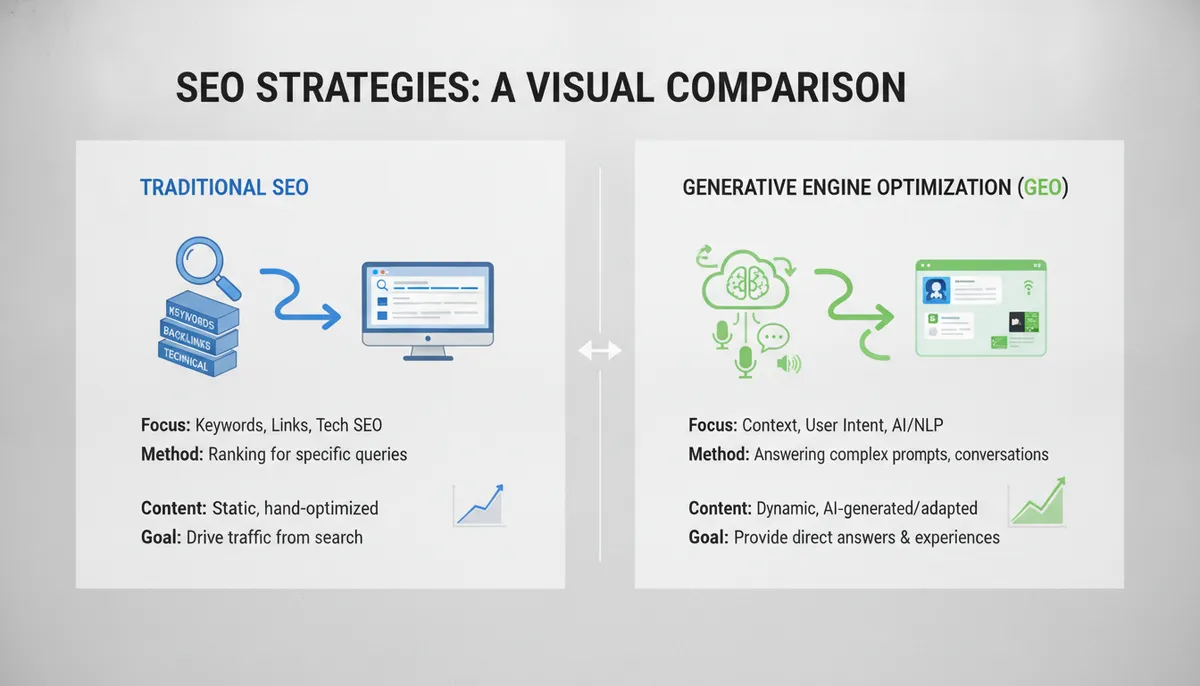
We’re seeing the rise of Generative Engine Optimization (GEO) as a distinct discipline. It’s no longer enough to "write for humans and bots." You have to structure your insights so that large language models can parse your expertise effortlessly. (Trust me, if the bot has to guess what you’re trying to say, it’ll just move on to your competitor.)
This section explores how to use the latest AI-driven tools to stay ahead of these shifts. We’ll skip the "shiny object" fluff and focus on the practical applications that actually move the needle in a search landscape that feels like it's changing every Tuesday.
Introduction
Stop thinking of AI search as a far-off "someday" technology. It is sitting in your browser right now, fundamentally reshaping how we find information. We have officially moved past the era of simple keyword stuffing and entered a space where intent, context, and generative answers dictate visibility. If you are still optimizing like it is 2018, you are essentially whispering in a room full of megaphones.
This shift does not mean SEO is dead: it is evolving into Generative Engine Optimization (GEO). To stay relevant, you need a new playbook that balances human insight with machine intelligence. This guide walks you through the essential trends, strategies, and AI-driven tools you need to navigate this shift and keep your content at the forefront.
The AI Revolution in Search: Understanding the New Landscape
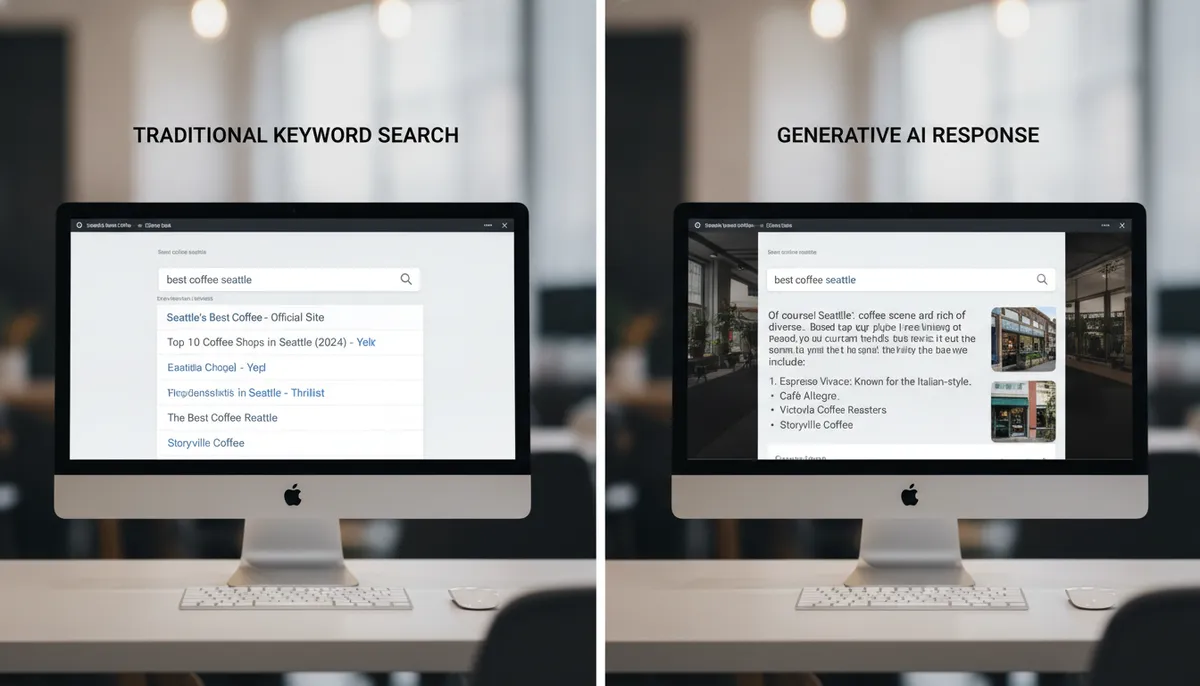
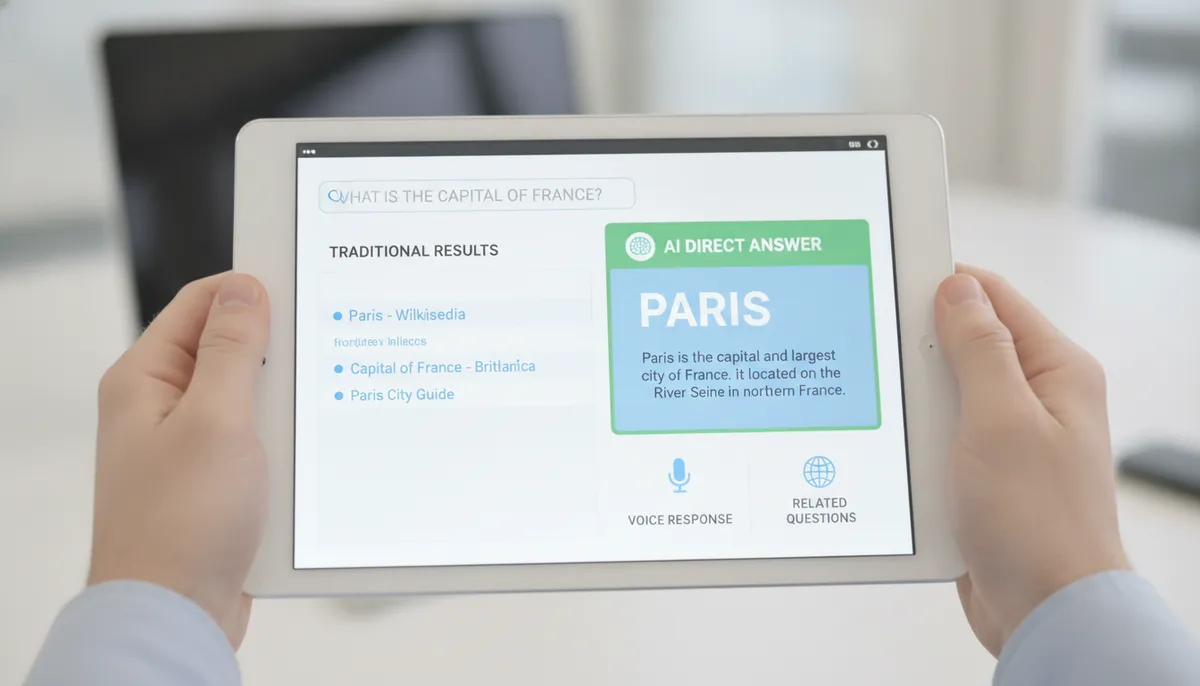
You’ve probably noticed Google isn't just a list of blue links anymore. AI now gives direct answers, changing how people find information. Instead of simple keywords, users are having conversations with search engines. It’s a massive shift, but it’s also your biggest opportunity to stand out as the top resource.
SEO's Evolution: From Keywords to Understanding (Is SEO Dead?)
Every time a new AI model drops, the "SEO is dead" headlines start trending again. It’s a tired trope, but it hides a massive reality: SEO isn't dying; it’s finally growing up. We’re officially leaving the era of primitive keyword matching, where repeating a phrase ten times was a "strategy", and entering the age of semantic understanding. Modern AI engines like Perplexity or Google’s Gemini don't just scan for words; they synthesize context and intent to see if you actually provide value.
This evolution means search has shifted from "finding links" to "providing answers." If a user asks how to fix a declining churn rate, AI looks for comprehensive insights that connect the dots, not just a page with the right meta tags. To stay ahead, you have to stop thinking about density and start focusing on topical authority. In 2026, winning at SEO (or GEO) means being the most reliable source for a machine to cite when it explains a complex topic to a human.
H3: Generative AI and AI Overviews: The New Search Interface
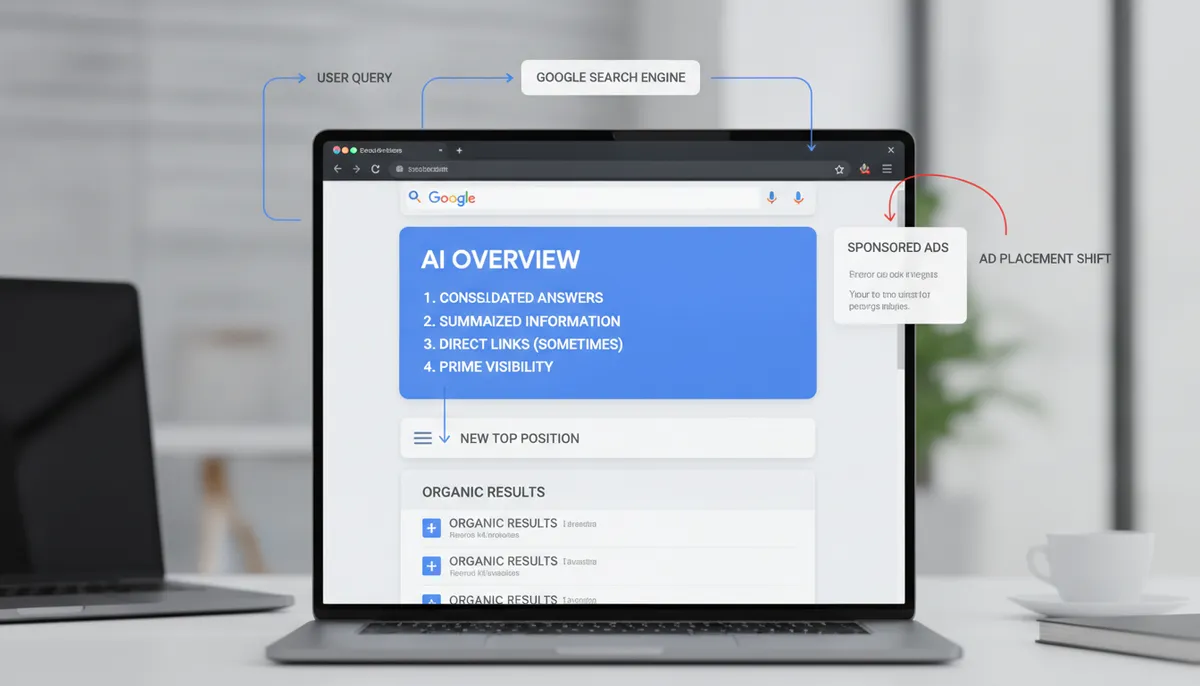
Google’s shift from a list of links to an "answer engine" has turned the SERP into a winner-takes-all arena. AI Overviews now sit at the top, claiming the most expensive real estate and often answering queries before a user even thinks about scrolling. This isn't just a minor update; it’s a fundamental change in how we survive online. When the answer is right there in a neat, grey box, the traditional "Position 1" suddenly feels a lot like Position 10.
To stay visible, your content has to be "AI-digestible." These summaries rely on a few specific citations to stay credible. If your site isn't one of those three or four linked sources, your organic visibility effectively hits a wall. You need to provide clear, structured data that makes an LLM choose you as its primary reference. It’s no longer about just being found; it’s about being the source the AI can’t ignore.
Beyond Google: The Rise of AI-Powered Search Systems
Google is the giant, but ChatGPT, Bing Copilot, and Perplexity are quickly becoming "answer engines" that bypass traditional blue links. For us, this shifts the goalposts. You aren't just fighting for a click anymore; you're fighting to be the source the AI trusts. These systems prioritize context over keyword matching. If you aren't appearing in these conversational results, you're invisible to a massive segment of users who want answers, not a research project.
Success here requires "radical clarity." AI models reward content that is factually dense and easy to parse. Stop burying the lead. Use authoritative language that provides direct solutions to specific problems. When your insights are sharp, you become the definitive source these engines cite. It’s a shift from gaming the system to simply being the most reliable expert in the room.
Essential AI-Driven SEO Strategies for 2025-2026
To win in 2025, you should shift from traditional keywords to Generative Engine Optimization (GEO). Modern AI tools prioritize how well your content answers complex, conversational queries. Focus on high-intent data and technical clarity so LLMs can crawl your site easily. It’s about being the most reliable source for AI-generated answers.
E-E-A-T in an AI World: Deepening Trust and Authority
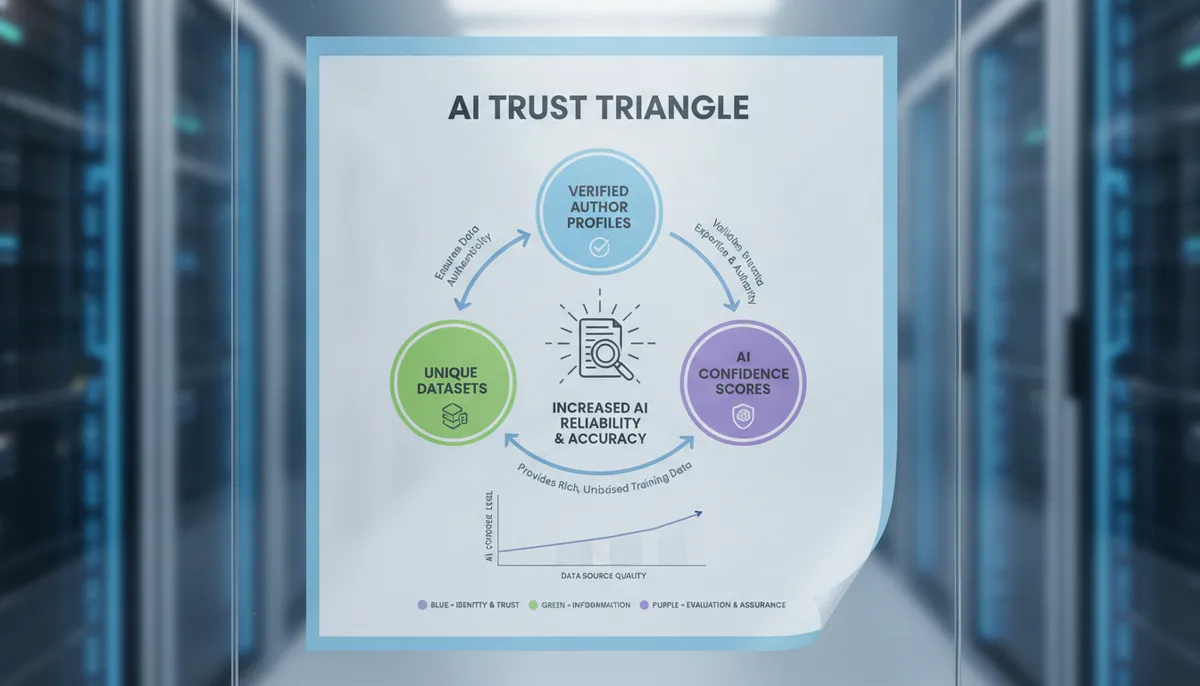
As AI content floods the web, the "trust gap" is widening; Google and AI answer engines are getting better at sniffing out who knows their stuff and who’s just hitting "generate." E-E-A-T isn't just a buzzword, it’s your insurance policy against being buried by the next update. When everyone has access to the same LLMs, your unique perspective and real-world battle scars are the only things AI can't replicate.
Modern AI systems now cross-reference your claims against a knowledge graph, looking for "proof of life" like proprietary data you collected or a verified author profile. To stand out, ditch generic advice for original research; if you helped a client double conversions using a GEOly-listed tool, show the math and name names. This transparency creates a high-authority resource that both human readers and AI will simply trust in this competitive industry.
Content Optimization for Generative AI: Synthesis Over Keywords
Trust is the foundation, but utility is the currency of Generative Engine Optimization. Stop worrying about how many times a specific keyword appears on your page. AI models like GPT-4 or Gemini aren't counting repetitions; they’re looking for a "single source of truth" they can synthesize into a coherent answer. To win the citation, your content must provide direct, evidence-backed responses to the complex questions your audience is actually asking. If your advice is vague or buried under 500 words of introductory fluff, the AI will simply skip your site for a more concise competitor that gets straight to the point.
Structure is your most effective tool for AI extraction. Use descriptive subheaders and data-rich tables that allow these models to identify and pull facts without friction. By providing clear data points and a logical narrative flow, you're essentially pre-synthesizing the information for the engine. This shift from keyword-matching to building topical authority ensures that you aren't just ranking for a term, you’re becoming the primary source for the AI’s knowledge base.
Predictive SEO: Anticipating Demand with AI
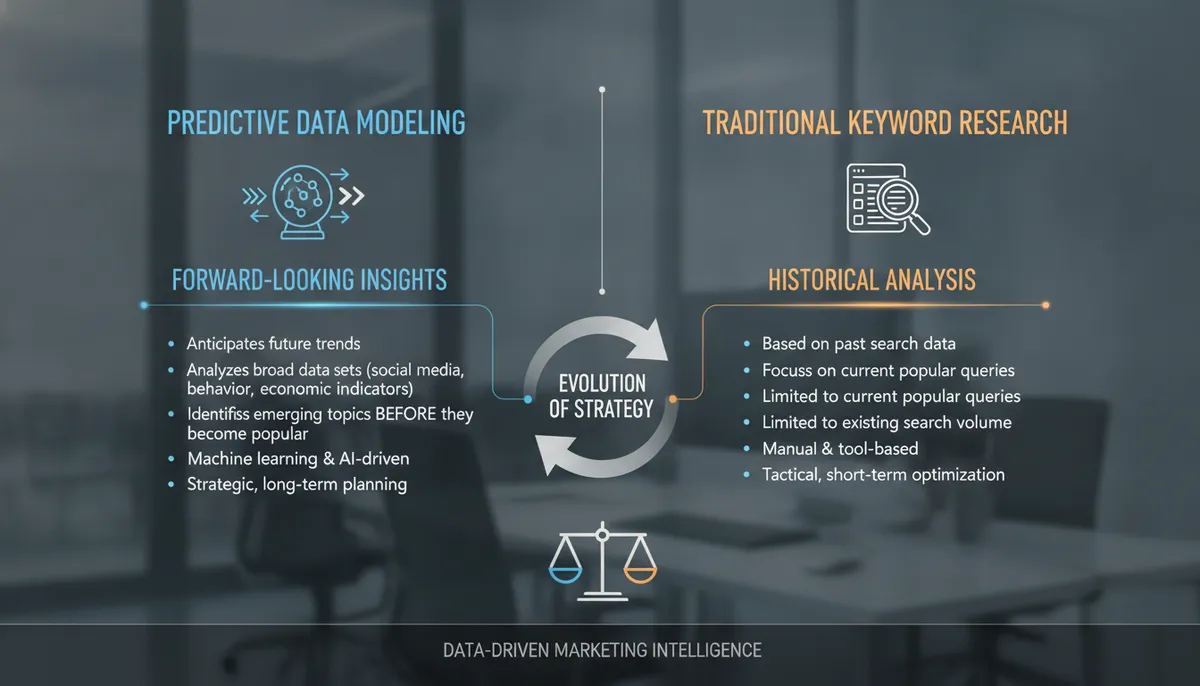
Stop looking in the rearview mirror. Traditional SEO focuses on what people searched for yesterday, but AI-driven predictive tools let you spot the "next big thing" before your competitors even wake up. By crunching massive datasets, from social signals to seasonal shifts, these tools identify emerging topics that are about to explode. You’re no longer reacting to trends; you’re setting the pace by targeting high-potential keywords while the competition is still non-existent.
This foresight transforms your content calendar from a guessing game into a strategic roadmap. Instead of fighting for scraps on saturated topics, you can focus on proactive creation that meets demand exactly as it peaks. Think of it as an early warning system for your visibility. By the time a topic hits the mainstream, your pages are already indexed and ranking, capturing the lion's share of traffic before the SERP gets crowded.
Harnessing AI for Technical SEO & Link Building Efficiencies
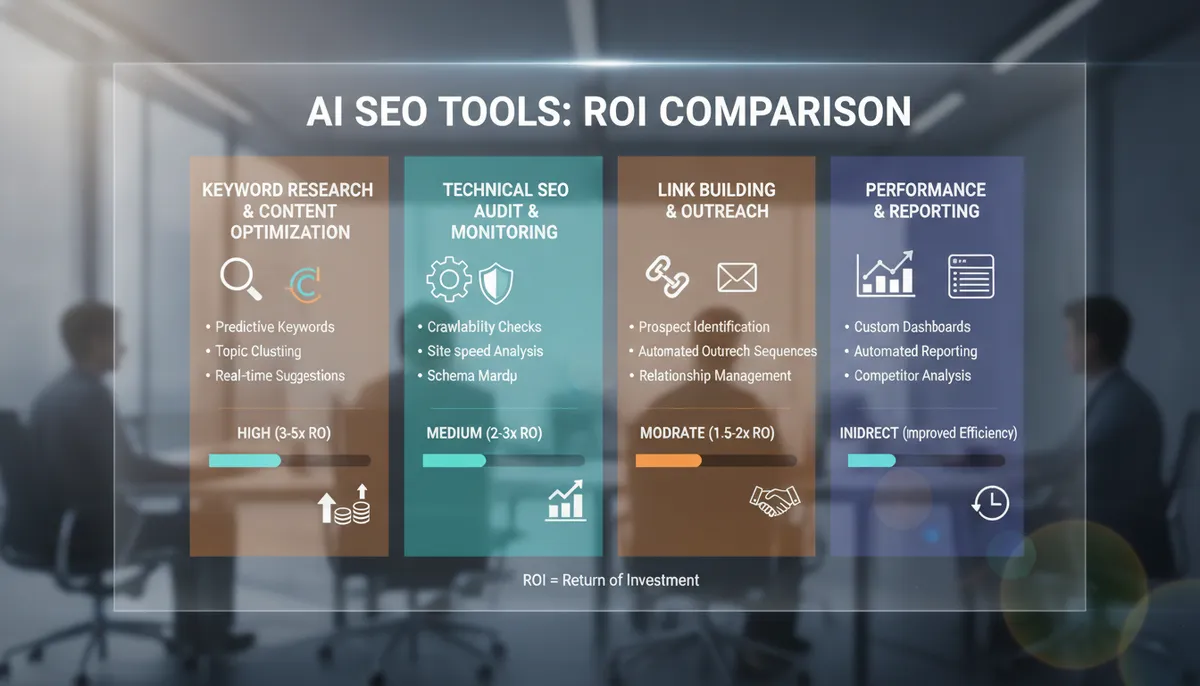
While predictive models show you where your audience is headed, AI handles the grunt work of fixing the road and building the bridges. On the technical side, AI-driven audits scan thousands of pages in minutes to catch crawl errors or schema gaps that usually take hours to find manually. When you move into link building, AI streamlines the process by vetting backlink profiles and spotting outreach opportunities that genuinely fit your niche. Instead of scrolling through endless lists, you get a curated set of high-quality targets, turning a "spray and pray" outreach strategy into a precision strike.
Empowering Your SEO with AI Tools: A GEOly Advantage
Efficiency is fine, but finding the right software shouldn't be a full-time job. That’s where GEOly steps in. We’ve done the heavy lifting, curating the best AI-driven SEO tools so you don't have to guess. Whether you’re scaling technical tasks or exploring generative search, our directory keeps you ahead.
Automating Research and Analysis: AI Tools for Keywords, Competitors, and Trends
Stop spending hours buried in spreadsheets. AI tools now handle the heavy lifting by identifying semantic clusters and long-tail opportunities you’d likely miss manually. Instead of guessing what people might search for next, advanced platforms analyze massive datasets to forecast shifts before they peak. It’s essentially a crystal ball for your strategy, helping you target high-intent keywords while they’re still "quiet" and easy to rank for.
Keeping tabs on your rivals doesn’t have to be a full-time job. Modern AI scanners uncover competitor content gaps and backlink strategies in seconds. You’ll see exactly where they’re winning and where they’re falling short, so you can swoop in with better answers. By automating this analysis, you finally free up your valuable schedule for the high-level creative strategy that actually moves the needle.
Content Creation & Optimization with AI: From Drafts to Polished Pieces
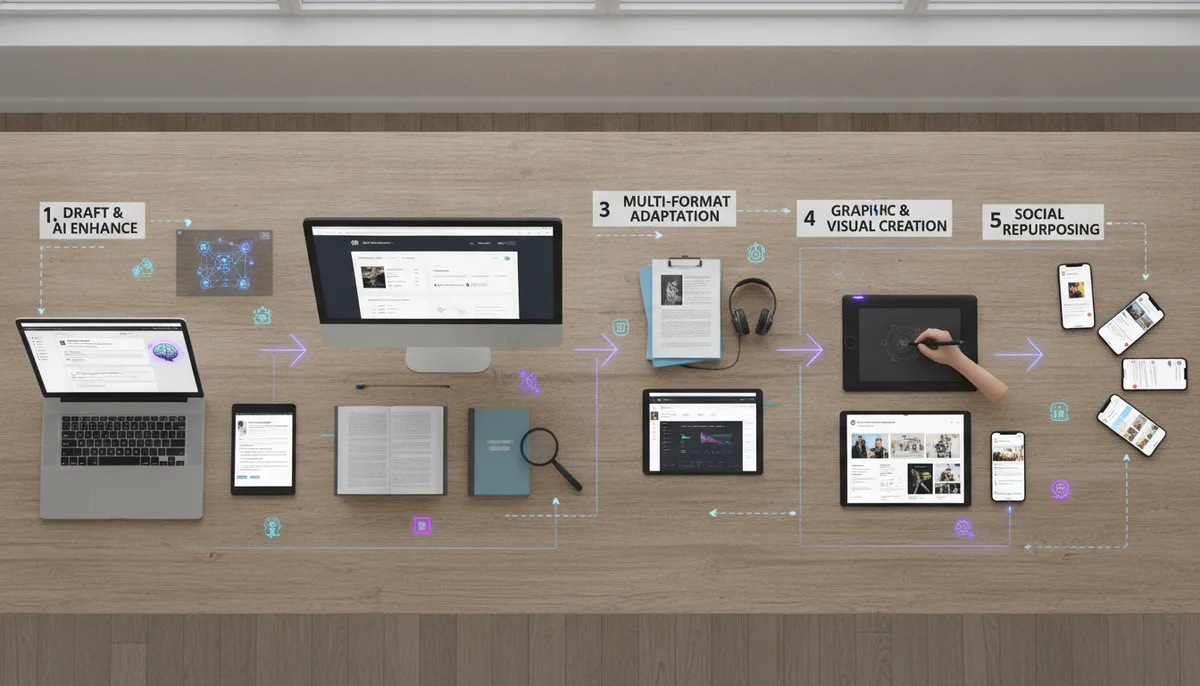
Once your competitive research is in the bag, move from a blank page to a full draft in minutes using AI assistants like Jasper. These tools don’t just spit out words; they spot content gaps you might miss, ensuring your piece covers every angle a reader expects. By sharpening readability and shifting tone on the fly, these assistants keep your message punchy rather than sounding like a dry corporate handbook.
Beyond drafting, AI now acts as a guardrail for E-E-A-T, flagging factual errors and suggesting where to add depth. Tools like Clearscope compare your work to top-ranking pages, showing exactly where your specific expertise needs a boost to win over search engines. Plus, you can easily repurpose that long-form guide into snappy social threads or video scripts, making sure your hard work reaches people where they actually hang out online.
H3: The GEOly Difference: Discovering the Best Generative Engine Optimization Tools
Once you’ve mastered AI-driven drafting, the real challenge begins: finding the right tech stack to keep that momentum going. The market is currently flooded with "game-changing" software, making it nearly impossible to tell what actually works without wasting your budget on tools that don't deliver. That’s why we built GEOly. Think of it as your filter for the noise, the premier directory designed to help you find and compare the best Generative Engine Optimization tools in one place.
Whether you’re a seasoned SEO pro or just trying to figure out what "GEO" actually stands for, we’ve simplified the hunt. Instead of spending hours on Google, you can browse verified tools, check ROI potential, and see how they fit your specific workflow. It’s about more than just a list; it’s about making sure you’re using the most effective AI solutions to stay ahead of search shifts without the typical trial-and-error headache.
Integrating AI Reporting for Actionable Insights
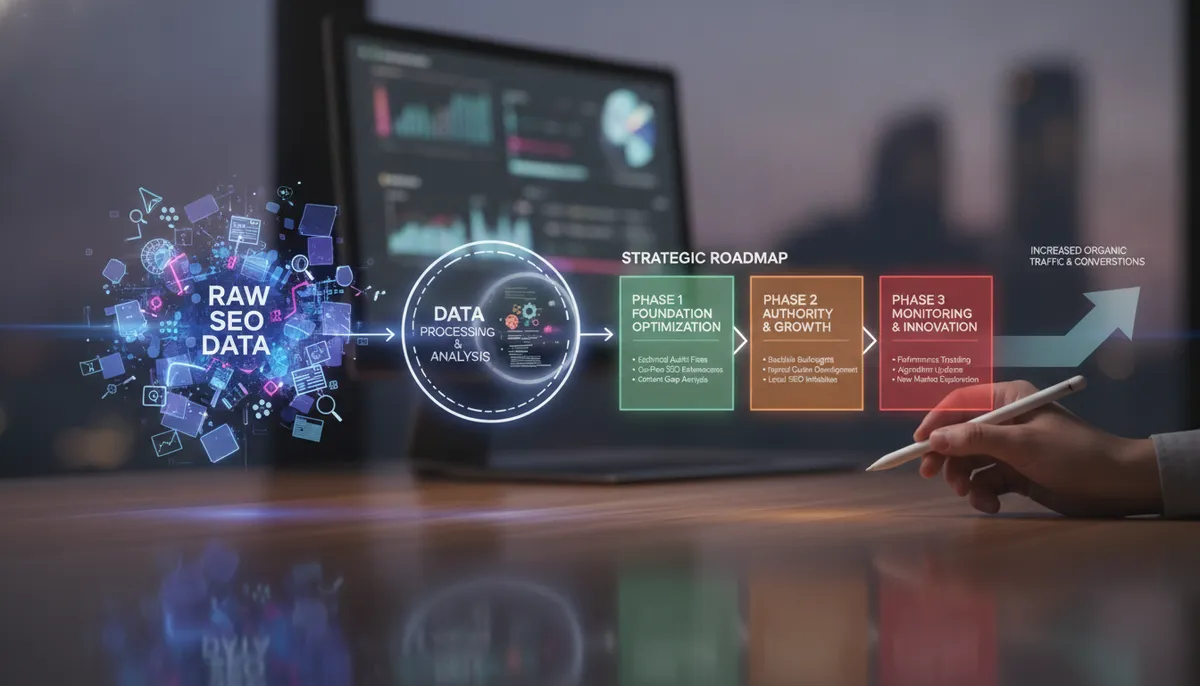
Stop obsessing over vanity metrics like raw traffic or total clicks; they look good on a slide deck but rarely pay the bills. Integrating AI reporting tools into your workflow pulls signal from the noise by analyzing user intent and competitive shifts in real-time, telling you why a visitor bounced instead of just noting that they left. You get a clear roadmap of actionable insights, like identifying specific content gaps costing you conversions, rather than a pile of abstract data that goes nowhere. It’s about making smarter, strategic bets that actually move the needle for your visibility in the increasingly competitive generative search era.
Conclusion
SEO isn't dying; it’s just undergoing a massive brain transplant where generative engines now dictate discovery, moving us far beyond simple keyword matching. Staying relevant means you can't just cling to what worked a few years ago; you have to treat these AI shifts as your primary competitive edge. It’s about using these intelligent tools to spot the high-value trends your competitors are still blind to.
The era of AI-driven search offers a massive opportunity for those ready to adapt instead of just reacting. Take the next step today to master these new strategies and explore GEOly to connect with the best Generative Engine Optimization tools that will help you thrive. The future of search is already here, it's time to stop guessing and start leading the charge.