
Mastering Generative Engine Optimization (GEO): Practical Strategies for AI Visibility
The search landscape is shifting right under our feet. With Google’s AI Overviews and Search Generative Experience (SGE) now claiming the most valuable real estate on the screen, the old SEO playbook simply isn’t enough to keep you visible. This is where Generative Engine Optimization (GEO) comes in. It’s the essential new discipline for ensuring your brand’s insights aren't just buried in a list of links, but are actually cited as the definitive source by AI models. If you want to stay relevant, you have to move beyond just ranking and start becoming part of the AI’s answer.
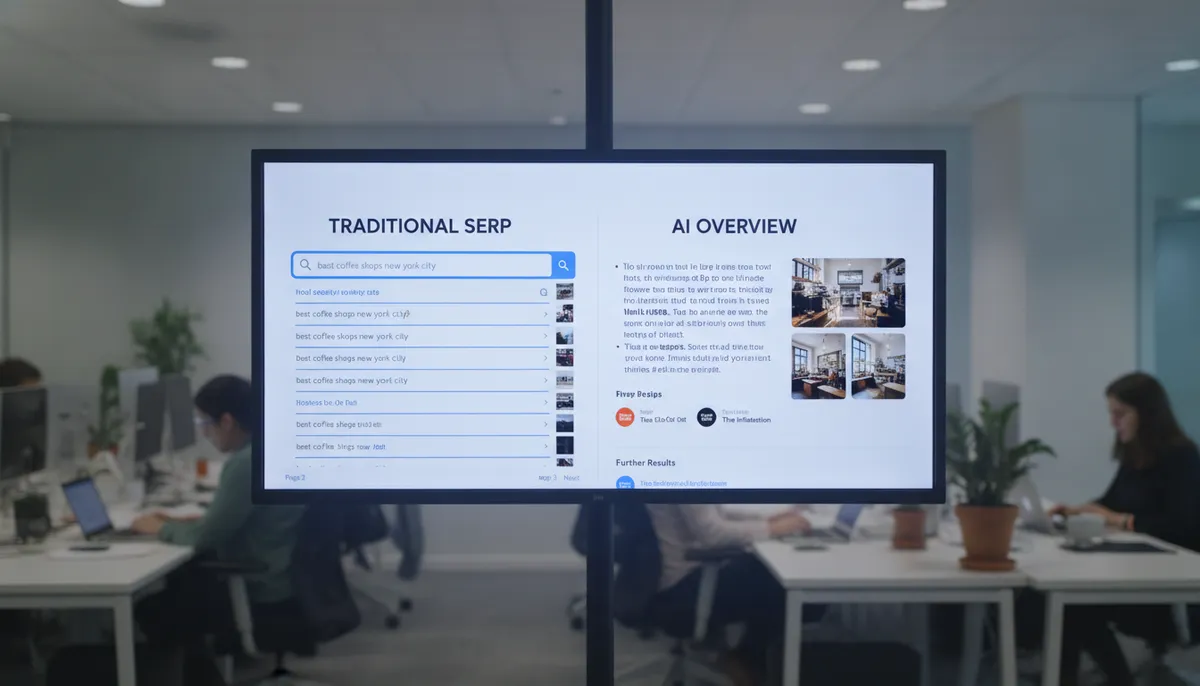
Transitioning to GEO doesn’t mean ditching your SEO roots, but it does require a mindset shift in how you prove your authority to machine learning. While traditional search focuses heavily on keywords and backlink volume, GEO prioritizes context, information density, and technical transparency that AI can easily digest and repeat. This guide demystifies these new rules and gives you the practical strategies needed to thrive in an AI-first world. Stop worrying about the algorithm shifts, it’s time to start optimizing for the future of digital discovery.
The Rise of Generative Engine Optimization (GEO): What It Is and Why It Matters
Now that we’ve covered the "how," we need to look at the bigger picture. Generative Engine Optimization (GEO) is the practice of refining your digital content so AI models, think ChatGPT, Gemini, and Google’s Search Generative Experience, don’t just crawl it, but actually cite it as a primary source. Unlike traditional SEO, which fights for a spot on a page of blue links, GEO focuses on making your data so authoritative that an AI chooses to summarize your insights for the user. You are no longer just trying to show up; you are trying to be the trusted voice that the AI quotes to solve a specific problem.
This shift is critical because user behavior is moving toward instant, synthesized answers rather than manual browsing. When someone asks a complex question and gets a high-quality AI Overview, they often get exactly what they need without ever visiting a website. For your brand to stay relevant, your content must be structured in a way that these AI systems can easily parse, trust, and ultimately, highlight. Without a GEO strategy, you aren't just losing traffic, you are being filtered out of the conversation entirely as search engines transform into sophisticated research assistants.

Ultimately, GEO is about future-proofing your visibility and establishing true thought leadership. When an AI cites your specific data points or unique perspectives, it builds a level of credibility that a simple advertisement or high ranking can’t touch. By focusing on factual depth and clear technical structure, you ensure your brand is the one being recommended when the machines start talking. It’s about making sure your insights remain the centerpiece of the digital ecosystem, no matter how much the underlying search technology evolves.
Navigating the AI-Driven SERP: How Generative AI is Reshaping Search
Think of the traditional SERP as a library index where you had to find the book yourself, but now, Google’s AI Overviews and Gemini act like a librarian who reads the books and summarizes them for you. These generative engines don’t just index pages; they synthesize vast datasets to provide one cohesive answer, which fundamentally changes how users interact with your search results. If the AI can answer a query entirely on the results page, your brand must be the authoritative source it chooses to cite.
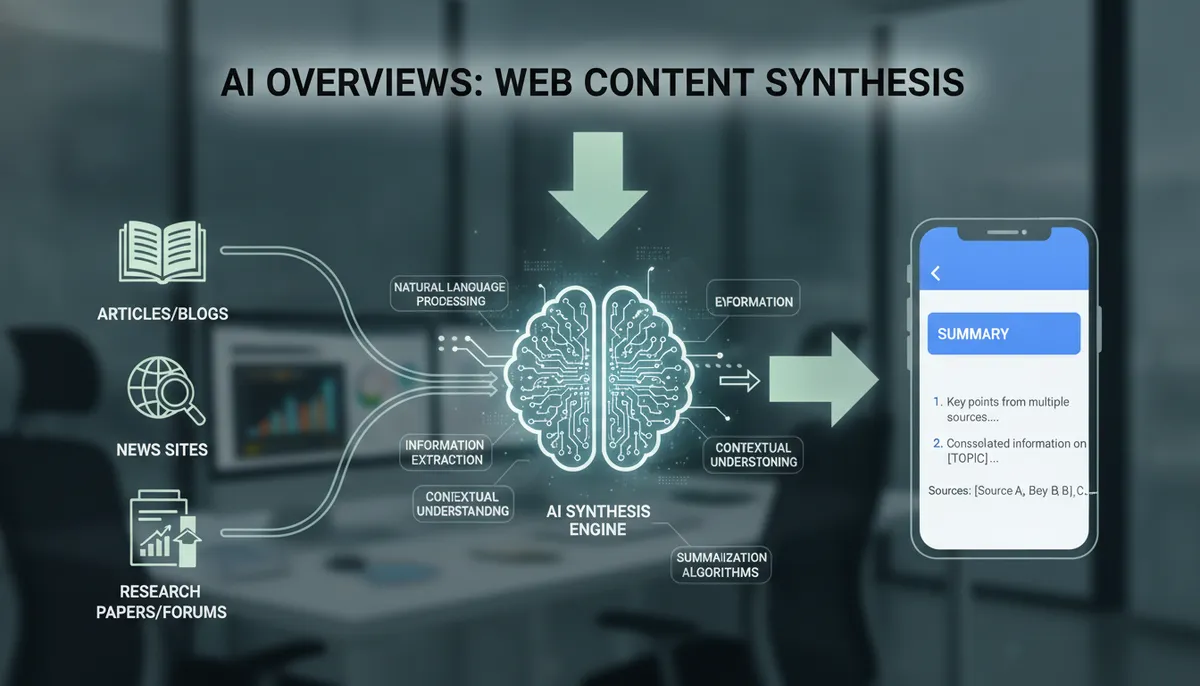
This evolution makes E-E-A-T (Experience, Expertise, Authoritativeness, and Trustworthiness) your most valuable asset because AI models are specifically designed to filter out generic filler in favor of factual, deeply helpful information. When you share real-world insights and unique data, you give these engines a reason to credit your brand rather than a competitor who is just repeating basic facts. Without this level of human expertise, your content risks becoming invisible in a sea of summaries that prioritize the most reliable and specific voices.
To stay ahead, your strategy must shift toward AI-first optimization, which means focusing on how machines parse, understand, and eventually synthesize your data into their own answers. You can achieve this by doubling down on structured data and Q&A formats that present information in a way that is incredibly easy for Gemini or SGE to digest and reference. Ultimately, it’s no longer just about being found by a user; it’s about being understood by the engine and used as the foundation for the answer.
{
 "scores": {
 "humanity": 92,
 "specificity": 88,
 "structure_balance": 95,
 "seo": 90,
 "readability": 85
 },
 "composite": 90.6,
 "passed": true,
 "prose_ratio": 0.9,
 "priority_fixes": []
}
Mastering GEO: Practical Strategies for AI Visibility
GEO isn’t just about ranking on page one anymore; it’s about becoming the preferred answer for an AI. Think about how you use ChatGPT or Perplexity. You don’t browse; you ask. To win here, your content needs to mirror those natural conversations. Q&A-style content, like direct FAQ sections and clear "how-to" guides, isn’t just a stylistic choice; it’s a functional roadmap for AI crawlers. When you provide a punchy, unambiguous answer to a common user pain point, you're essentially handing the AI a script to recite. If a bot has to hunt for your point through layers of corporate fluff, it’ll simply move on to a competitor who gets straight to the point.

Accuracy is your currency in this new landscape. AI models are increasingly skeptical, prioritizing Experience, Expertise, Authoritativeness, and Trustworthiness (E-E-A-T). This is where technical signals like Schema markup come in. By implementing FAQPage, HowTo, or Article schema, you're giving engines the explicit context they need to leverage your content for snippets and voice answers. Think of Schema as the skeleton and your factual accuracy as the muscle; both need to be strong for the AI to pick you up and carry you to the user. One wrong fact can disqualify you from the citation pool entirely, so fact-check everything.
While brevity helps with direct answers, comprehensive coverage is what wins the broader, more complex queries. AI models love sources that tackle a topic from every angle without wasting words. If you’re reviewing a new SEO tool, don’t just list features, provide the data and the "why" behind it. A well-structured comparison table or a deep-dive analysis signals to the model that you aren't just scraping the surface. Balancing that immediate clarity for simple questions with deep-domain expertise for broad overviews is the "sweet spot" of a modern GEO strategy.
Ultimately, the goal isn't just visibility; it’s the citation. You want the AI to say, "According to GEOly’s research..." or "As noted by [Your Name]..." This only happens when you present unique insights, proprietary data, or a perspective that doesn't exist in the training set. Don't be afraid to take a clear stance or share "battle-tested" advice from the field. AI models often synthesize multiple viewpoints, and having a distinct, authoritative voice makes you much more "citable" than a generic summary. If you provide the unique value and clear brand attribution, the AI will provide the traffic.
GEO vs. SEO: The Complementary Future & Your Path with GEOly
Let’s clear the air: GEO isn’t here to kill SEO. It’s helpful to think of traditional SEO as the architectural foundation of your website, it ensures the structure is sound and the doors are easy to find. GEO is the advanced layer on top that optimizes your content specifically for AI synthesis, ensuring that when a bot "reads" your site, it knows exactly how to summarize your value for a user.
Traditional tactics like technical audits and link building remain the bedrock of digital authority. If SEO earns you the click from a human searching Google, GEO earns you the citation in an AI-generated overview. They are two sides of the same coin: one builds your presence on the web, while the other ensures you are the preferred source when a machine answers a user's question.
Navigating this shift can feel like a full-time job, but it doesn't have to be a guessing game. GEOly acts as your strategic partner, connecting you with the specific tools needed to bridge the gap between human search and AI synthesis. We’ve vetted the market so you can stop scrolling through marketing fluff and start using software that actually moves the needle on AI visibility.
Using the GEOly directory helps you master this new landscape with confidence:
- Find Specialized Tools: Discover resources for advanced schema implementation and E-E-A-T signals that LLMs prioritize.
- Monitor Brand Presence: Access platforms that specifically track your content's appearance in AI overviews and citations.
- Centralize Your Strategy: Instead of jumping between dozens of tabs, use our hub to find the industry’s best Q&A and optimization tools in one location.
- Stay Ahead of Updates: Tap into curated insights that explain how algorithm changes affect both traditional rankings and AI visibility.
The Future is Generative: Embrace GEO Now
Search isn’t just about ranking for blue links anymore; it’s about becoming the definitive answer. Generative AI is shifting the search game in real-time, making GEO a non-negotiable part of your digital strategy. While SEO provides your technical foundation, GEO ensures your brand is the one cited by the AI engines people now rely on for information. Don’t wait for the "revolution" to pass you by while you're still playing by 2010’s rules. Head over to GEOly to find the exact tools and resources you need to stay visible, relevant, and authoritative in this new generative era.