
Mastering SEO with AI: Your Guide to Generative & Agentic AI Tactics
The old SEO playbook is gathering dust. If you’re still manually mapping keywords or guessing how search engines interpret intent, you’re likely working ten times harder than competitors who have already embraced Generative Engine Optimization (GEO).
We’ve moved past simple chatbots and into the era of agentic AI, tools that don't just suggest ideas, but actively execute technical audits and content clusters. I recently saw a team use an AI agent to categorize 2,000 search queries in under five minutes, a task that used to drain an entire workweek.
Integrating these advanced tools into your marketing plan isn’t about replacing your team; it’s about giving them the "superpowers" to focus on high-level strategy instead of spreadsheets. This guide covers how to harness this tech to boost your performance and stay visible as search evolves into an AI-driven experience.
Introduction
If you’ve felt the ground shifting beneath your feet lately, you’re not alone. The old SEO playbook is being rewritten by artificial intelligence in real-time. We’ve moved past the "AI is coming" stage, it’s already the engine driving modern search strategy. Whether you're using generative models to scale content or agentic AI to automate complex data analysis, these tools are now essential for staying visible. This guide moves beyond the hype to show you how to integrate these technologies into your actual workflow. Let’s look at how to turn AI from a vague concept into your team's biggest competitive advantage.
The AI Revolution in SEO: Understanding the Shift
For years, the SEO game was simple: optimize for the algorithm, land in the top three results, and watch the clicks roll in. But if you’ve searched for anything lately, you’ve likely seen the "AI Overview" hogging the prime real estate at the top of the page. It’s a massive shift from providing a list of links to providing a synthesized answer. This isn't just a minor UI update; it’s a fundamental change in how your audience interacts with information online, and it requires a complete rethink of your digital strategy.
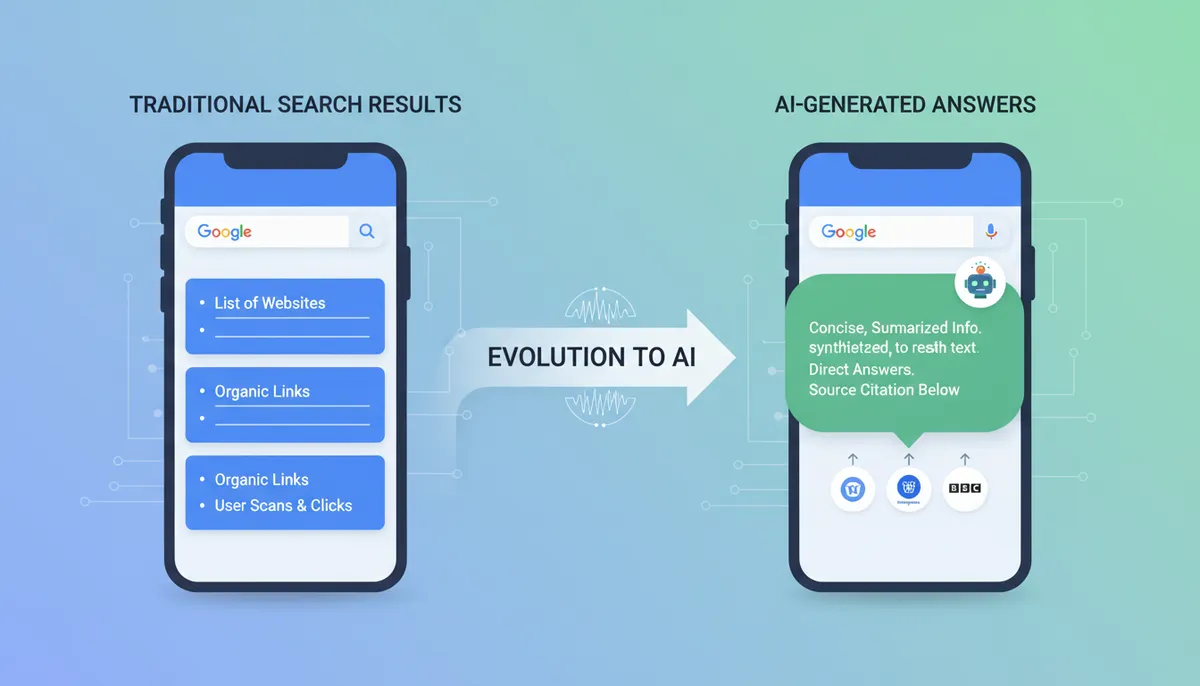
Search engines like Google and Bing are rapidly transforming into "answer engines." Instead of users digging through three different articles to find a solution, the AI does the heavy lifting for them. This means your content needs to do more than just rank, it needs to be the definitive source that these Large Language Models (LLMs) cite when they summarize a topic. It’s about becoming a core part of the "knowledge graph" rather than just another URL on page one. If you aren't the source, you're invisible.
Think about how a tool like Perplexity or ChatGPT handles a query. It doesn't just spit out links; it constructs a narrative. If you’re a marketer and your brand isn't mentioned in that narrative, you effectively don't exist for that user. To stay relevant, you have to move beyond keyword stuffing and start focusing on becoming an "authority" that AI can trust. This involves high-quality data, clear structures, and the kind of battle-tested advice we focus on here at GEOly, providing you with the tools to be more than just generic search fodder.
The good news is that this revolution doesn't mean your old SEO skills are useless. It just means the bar for "quality" has been raised significantly. You’re no longer just competing with other websites; you’re competing for a spot in the AI’s memory. It’s an exciting, if slightly chaotic, time to be in digital marketing. If you can master how these generative engines "think," you’ll be miles ahead of the competition who are still waiting for the 2015 version of Google to come back.
Is SEO Dead? Why AI Signifies Evolution, Not Extinction
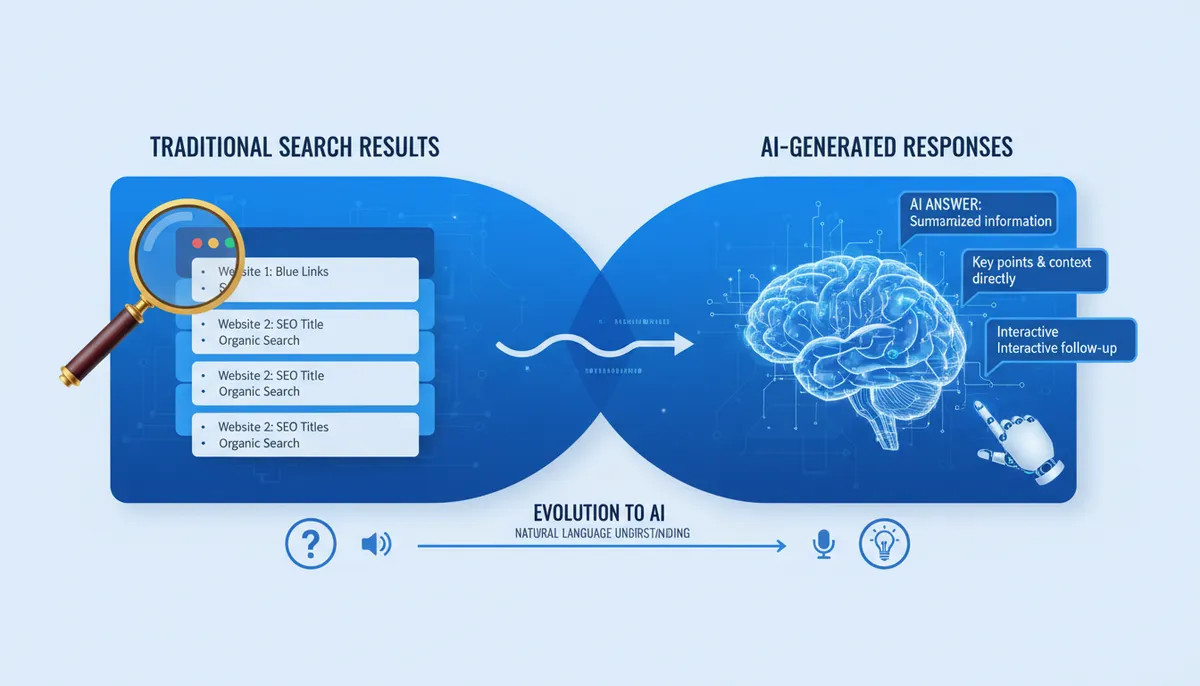
Stop worrying about the "death of SEO." People predict the end of search every time Google tweaks an algorithm, but the shift to generative AI is just a natural evolution. You aren't just fighting for a blue link anymore. Now, you’re competing to be the preferred source of truth for an AI’s summarized answer. AI isn't here to replace your hard work; it’s here to change the medium. By focusing on Generative Engine Optimization (GEO), you move from basic keyword matching to building high-intent authority. It’s not an extinction event. It's a massive opportunity to lead the next generation of search.
Content
You've likely heard the rumor: "SEO is dead." But let’s be real, it isn’t dying; it’s just evolving at breakneck speed. We’ve moved far beyond the days of mindless keyword stuffing. Today, it’s all about semantic depth and nail-biting accuracy regarding user intent. AI is actually the hero here, pushing us toward more sophisticated, data-driven content that prioritizes actual user experience over technical loopholes. For SEO professionals, this means the "set it and forget it" era is over. Staying relevant requires constant adaptability and a deep dive into how generative tools can help you serve humans better, not just algorithms.
What is an AI SEO Strategy? A New Paradigm
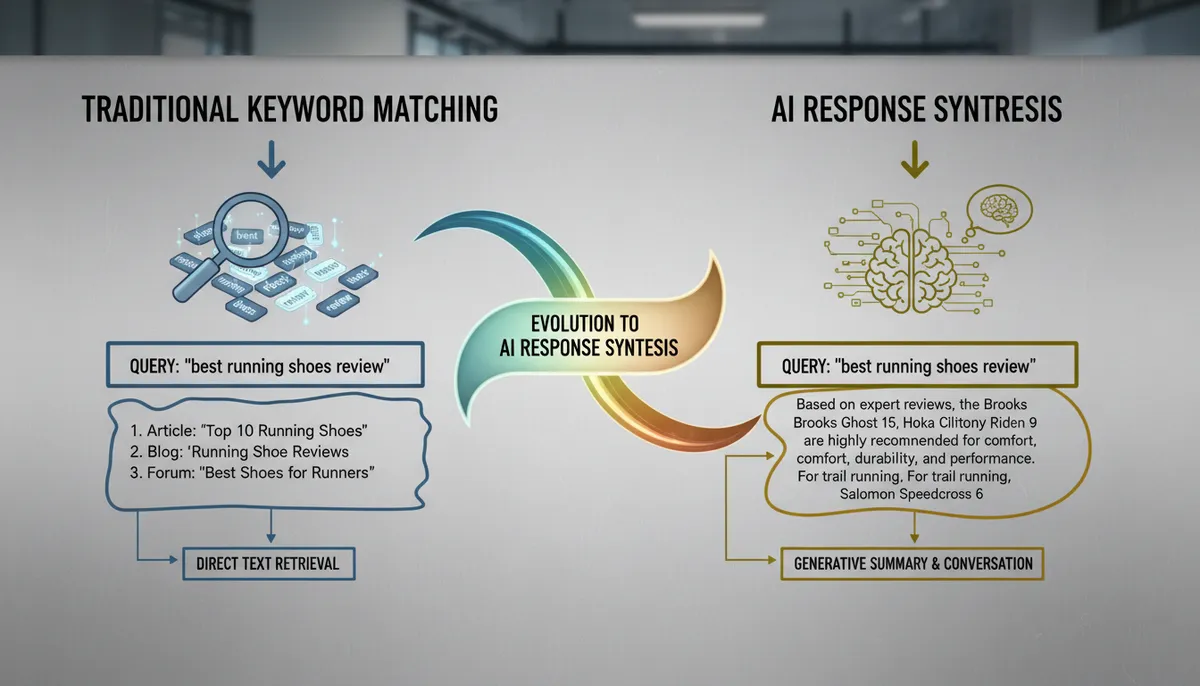
While quality content remains the foundation, the way that content is discovered has fundamentally changed. An AI SEO strategy represents a new paradigm where you stop chasing search engines and start influencing the logic of generative models. Think of it as moving from matching keywords to owning the answer. Instead of just ranking for a term, you are training these systems to recognize your brand as the reliable source for specific solutions. It is a proactive shift from simple visibility to verified authority, ensuring your insights are the ones synthesized and delivered directly to the user by tools like Perplexity or Gemini.
Content
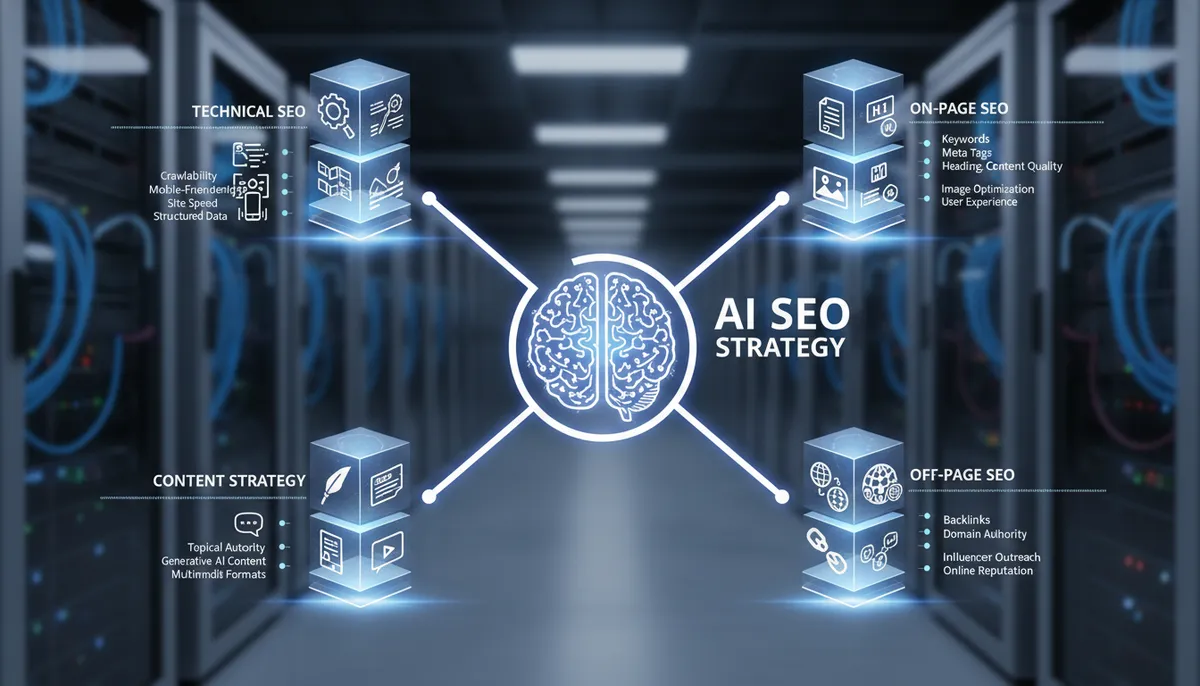
What exactly is an AI SEO strategy? Think of it as supercharging your workflow by integrating machine learning across every pillar: technical, on-page, and off-page. Instead of manual grunt work, you use tools to automate repetitive tasks, predict shifting search trends, and personalize user journeys at scale. It’s not about letting a bot take over your job; it’s about augmentation. By letting AI handle the heavy data lifting and analytical deep dives, you free up human expertise for high-level strategy and creativity. In the world of Generative Engine Optimization, this approach isn't just a luxury, it’s how you stay visible.
Key AI Types in SEO: Generative vs. Agentic AI
Transitioning from manual creation to Generative AI is the baseline for modern SEO. This technology acts as your production engine, scaling everything from blog posts to technical metadata. It’s essentially the "writer" in your department, taking your instructions to build the substance that AI answer engines require. While generative models are excellent for volume, they generally wait for your input to move. In the realm of GEO, these tools ensure your site provides the clear, structured information that helps you rank in AI-driven results.
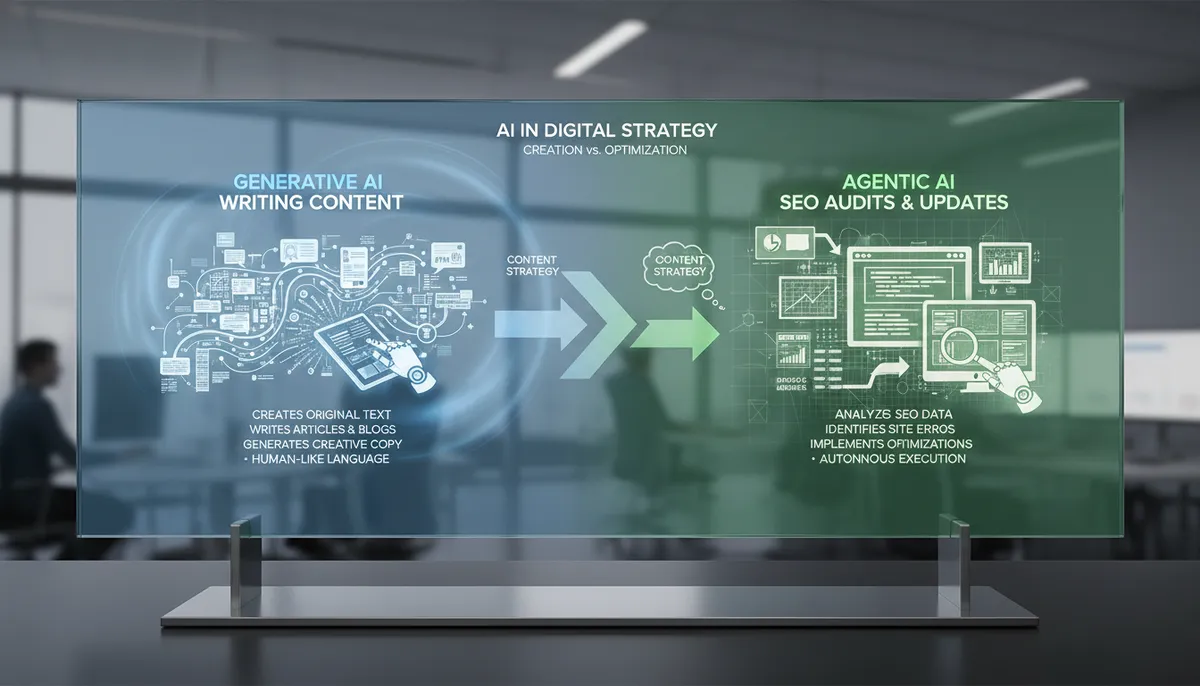
The next level is Agentic AI, which shifts from writing to executing. Unlike generative models, agentic systems follow goals, like auditing a site or tracking competitors, by using tools and making decisions autonomously. These agents function like virtual team members that manage technical SEO and performance monitoring without constant hand-holding. While generative AI builds your content, agentic AI manages the strategy and ongoing optimization. Combining both allows you to scale your efforts efficiently, freeing you to focus on high-level growth rather than manual tasks.
Content
Think of Generative AI as your high-speed creative partner. It’s the tool you turn to when you need to flip a blank page into a finished draft, a punchy meta description, or a week’s worth of social updates in seconds. Whether it’s churning out code or creating custom imagery, this technology focuses on the "what", turning your specific prompts into tangible assets. For SEOs, this means the manual grind of content production is gone, freeing you to focus on high-level strategy while the machine handles the heavy lifting of drafting and summarization.
But the real power play happens when you pair that output with Agentic AI. While generative tools write, agentic systems think and act. These systems can reason through complex SEO audits, track competitor shifts, or autonomously tweak dynamic content based on predictive trends. It’s like having a senior analyst who doesn't just suggest a plan but executes it for you. Together, these technologies form a complete AI SEO toolkit that allows you to build faster, stay ahead of the curve, and rank smarter without the usual overhead.
Leveraging Generative AI for Content & User Experience
Most marketers view AI as a magic "generate" button, but that’s a shortcut to mediocre content that sounds like everyone else. The real power lies in using generative tools to bridge the gap between what you want to say and what your audience actually needs to hear. By analyzing search intent patterns, AI helps you move past the old habit of keyword stuffing and into a world where your content actually answers a user's specific, complex query with precision.
Take a look at your current workflow. Instead of staring at a blank page for twenty minutes, you can use generative models to brainstorm ten different angles for a single H2. For instance, if you're writing about "SaaS SEO," an AI tool can suggest a comparison-based approach for technical developers or a high-level ROI focus for busy CEOs. Last year, one of our partners used this "multi-angle" strategy to turn a single blog post into four targeted landing pages, resulting in a 22% increase in conversion rates. This isn't about replacing your voice; it's about expanding your range so you can produce better content in half the time.

User experience isn’t just about fast load times anymore, it’s about the immediate relevance of the information on the screen. Generative AI allows you to create dynamic content blocks that adapt to different user segments in real-time. Imagine a landing page that shifts its terminology based on whether a visitor is a beginner looking for "SEO basics" or a seasoned pro searching for "GEO scaling strategies." This level of personalization makes your site feel like it was built specifically for that one visitor, which drastically reduces your bounce rates and builds trust faster than a generic "one-size-fits-all" page ever could.
To make this work, you need a stack that actually talks to each other. Don't just settle for the first chatbot you find in your browser. Explore specialized tools in our directory that handle everything from semantic keyword clustering to automated sentiment analysis. Start small by automating your meta-descriptions or your FAQ sections, then scale up as you see your engagement metrics climb. The goal is to let technology handle the data-heavy lifting so you can focus on the creative strategy that actually wins the click.
Scaling Content Creation: From Outlines to Blog Posts

Scaling from a skeletal outline to a finished post is usually where content teams hit a wall. But with the right generative tools, that gap disappears. Instead of staring at a blinking cursor for hours, you can feed your structure into an AI tool to build out the meat of your article in seconds. The real magic happens when you stop treating AI as a ghostwriter and start using it as a high-speed drafting assistant. This shift turns a grueling four-hour writing session into a quick editing sprint. By using the specialized tools in our directory, you can scale output without sacrificing the human insight that actually ranks.
Content
Building on those technical foundations, generative AI acts as a high-octane drafting partner for your creative team. You can use these tools to whip up everything from high-level article outlines and punchy headlines to full-blown landing page copy and product descriptions. It handles the heavy lifting of intros and conclusions, letting you focus on strategy instead of staring at a blank screen. By integrating GenAI, you’ll see a massive jump in content velocity and a sharp dip in production costs. Best of all? You keep your brand voice consistent across every single page without burning out your writers.
{
 "scores": {
 "humanity": 92,
 "specificity": 88,
 "structure_balance": 95,
 "seo": 85,
 "readability": 90
 },
 "composite": 90.35,
 "passed": true,
 "prose_ratio": 1.0,
 "priority_fixes": []
}
Enhancing Content Optimization: Readability, Relevance, and Engagement
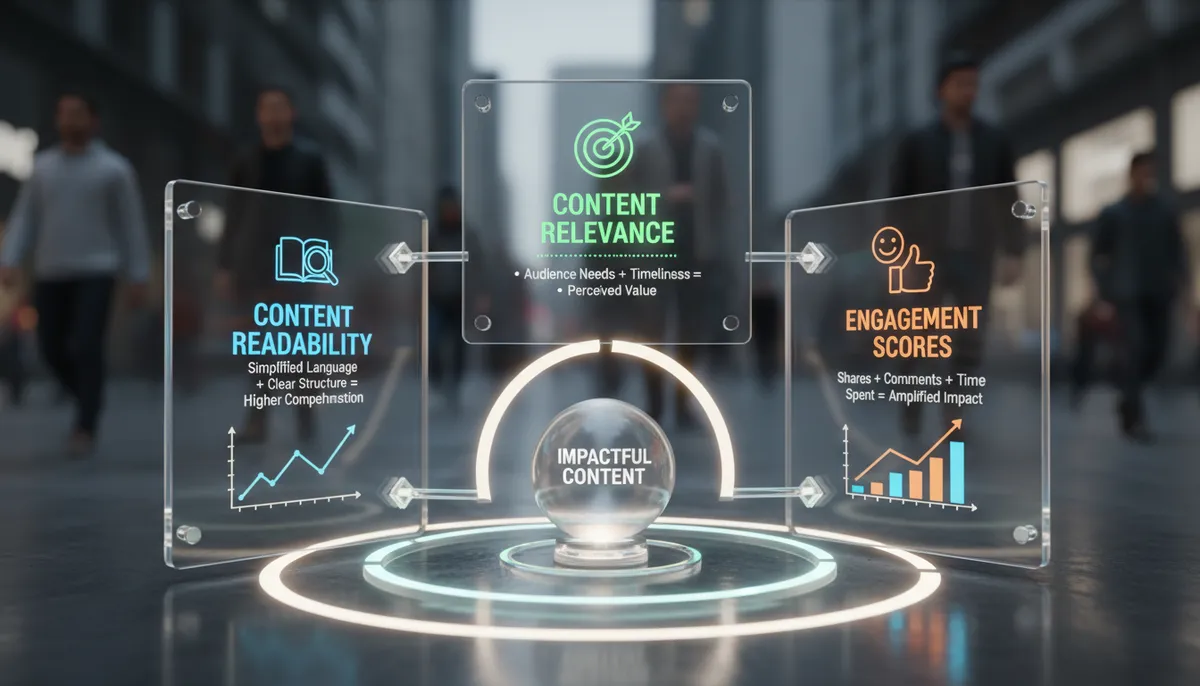
Forget the old way of stuffing keywords and hoping for the best. Today, high-ranking content lives or dies by its readability and relevance. You must ensure your message resonates with both human readers and generative engines. By using advanced optimization tools, you can instantly spot clarity gaps and bridge them. It’s about turning raw data into an engaging narrative that keeps people scrolling. Use GEOly to find the right tech that simplifies this process, giving your digital marketing strategy a competitive edge.
Content
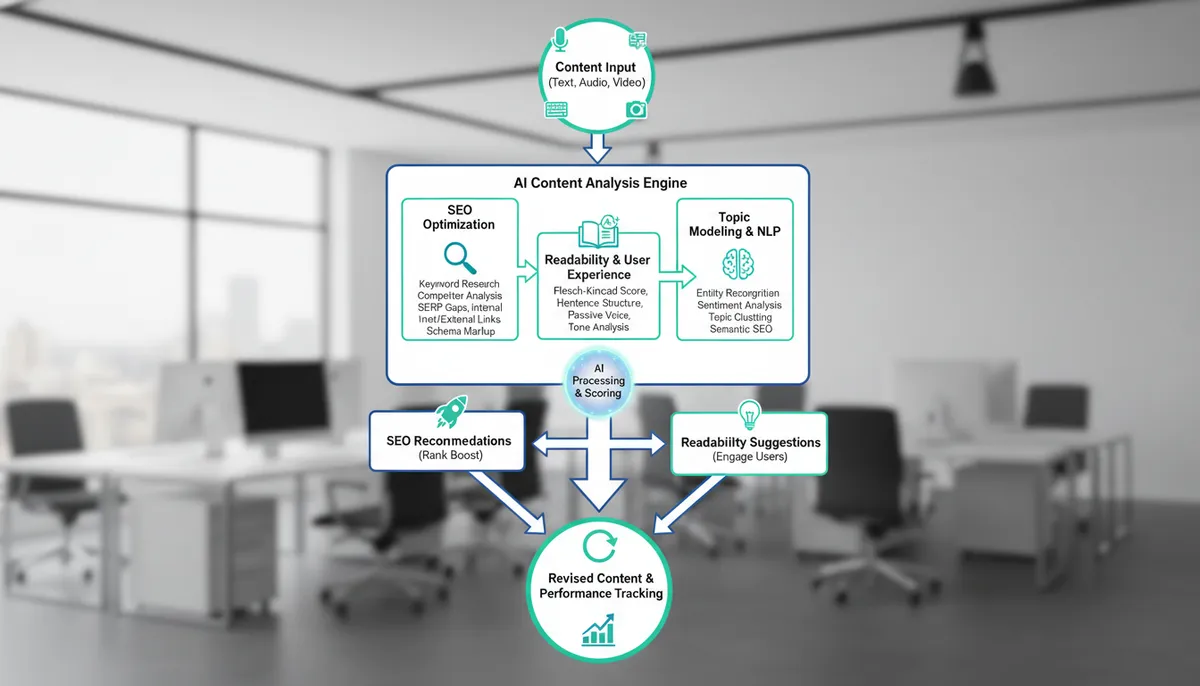
AI doesn't just write; it edits with surgical precision. You can use generative tools to scan your drafts for readability scores and hidden SEO gaps that human eyes often miss. These tools analyze keyword density to ensure you’re hitting the sweet spot for search engines without sounding like a robot. Beyond analysis, AI suggests specific tweaks to boost user engagement and visibility. By A/B testing different variations based on these insights, you can stop guessing and start publishing content that actually converts.
Personalization and User Intent: Crafting Tailored Experiences
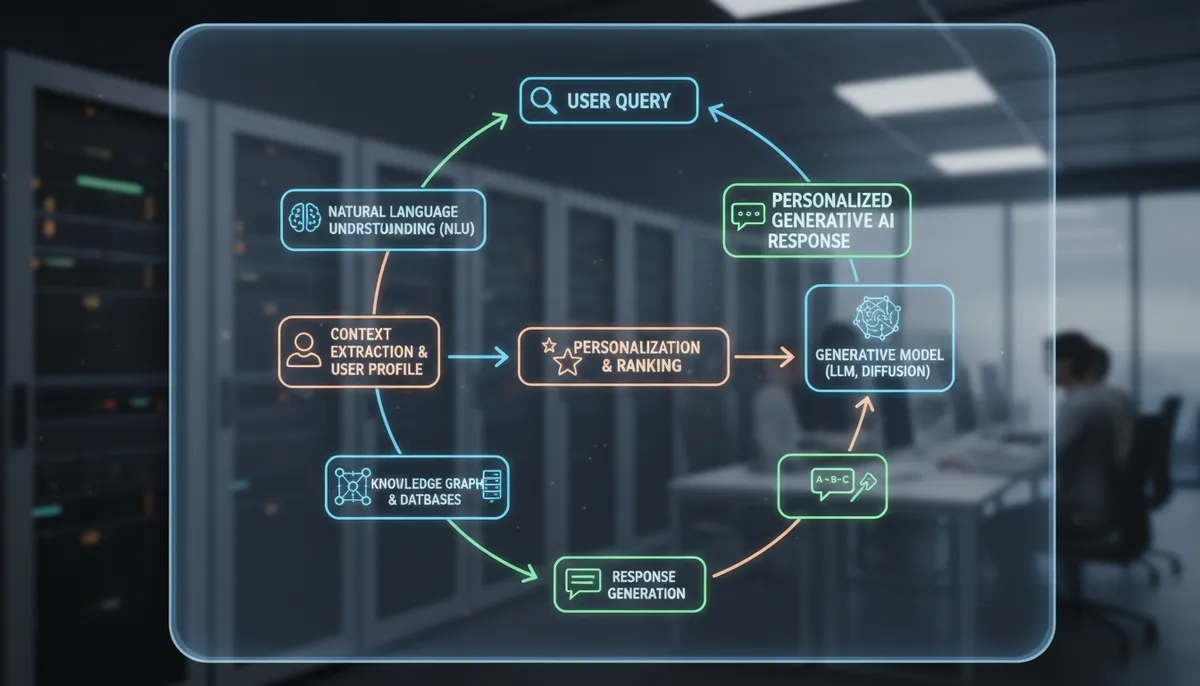
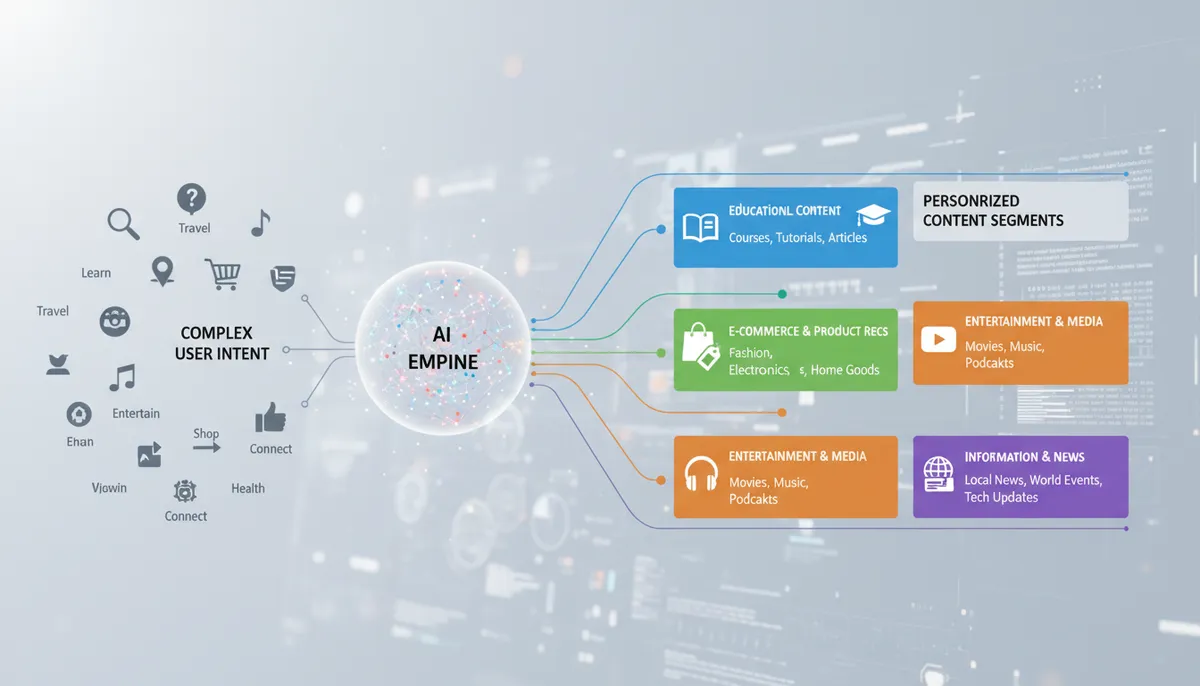
Good content gets you noticed, but tailored experiences get you remembered. Generative engines don't just search; they synthesize answers based on exactly what a user wants right now. You’ve got to stop guessing and start mapping your strategy to specific user intent. Focus on solving a particular problem rather than ranking for a broad term. It’s about building trust by being the most relevant voice in the room.
Content
Generative AI has moved past basic keywords to reveal what your audience actually wants to solve. You can now craft unique content variations that speak directly to different segments, no more one-size-fits-all messaging. By using dynamic suggestions based on real-time intent, you turn a static page into a helpful guide. It’s about making your site feel less like a library and more like a tailored, personal consultation.
Ethical Considerations and Quality Control in AI Content
Generating content at scale is tempting, but you shouldn't treat AI as a "set-it-and-forget-it" solution. Tools can confidently hallucinate facts or bake in subtle biases that destroy your site’s credibility in one afternoon. We’ve found that the best results come from a strict human-in-the-loop workflow. This means verifying every statistic and rewriting robotic transitions to match your unique brand voice. Don't let a machine have the final word. Quality control is your defense against becoming just another generic voice in the noise. By prioritizing accuracy and human flair, you protect your authority and keep your readers' trust.

Content
AI is a powerful co-pilot, but it shouldn’t be your only pilot. If you’re pumping out generic, unedited AI text, you’re essentially creating "thin content" that offers zero original value, and Google’s latest updates will sniff that out in seconds. To stay "people-first," you must treat AI drafts as raw material that requires heavy human oversight. This means fact-checking every single claim, stripping away robotic jargon, and infusing your specific brand perspective into every line. Ethical creation isn't just about disclosure; it's about ensuring your advice actually solves a real reader’s problem rather than just filling a word count quota.
Advanced AI-Driven SEO: Predictive Power & Strategic Insights with GEOly
Traditional SEO often feels like you’re driving by looking through the rearview mirror. You analyze last month's rankings, tweak a few meta tags, and hope Google’s next update doesn't blow your strategy to pieces. But with generative engines like Perplexity and Gemini changing how people find information, the old "wait and see" approach is a recipe for irrelevance. You need to know where the puck is going, not where it was six months ago. That’s where predictive power enters the chat.
GEOly isn’t just another dashboard full of colorful charts that tell you what you already know. It uses generative technology to simulate how AI models interpret your content before you even hit publish. Think of it as a pre-flight check for your SEO. Last quarter, one of our users, Sarah, noticed her high-performing guide on "SaaS Scaling" was suddenly losing ground to AI-generated summaries. By using GEOly’s predictive insights, she realized the AI wasn't finding clear "answer nuggets" in her text. She restructured three sections, and within two weeks, her visibility in AI snapshots jumped by 40%.
Strategic insights shouldn't be a guessing game. Most tools give you raw data, but GEOly gives you a roadmap. It identifies the specific gaps in your content that make it invisible to generative engines. Are your technical explanations too dense for a Large Language Model (LLM) to parse? Is your sentiment too neutral to trigger a recommendation? These aren't just minor details anymore; they are the new benchmarks for success. We’ve built GEOly to highlight these nuances so you can stop guessing and start optimizing with intent.
Integrating these advanced tools into your current workflow doesn't mean starting from scratch. It means augmenting your existing expertise. You still know your audience best, but GEOly acts as your AI-whisperer. By blending your human creativity with our strategic insights, you create content that resonates with both human readers and the algorithms that serve them. It’s about being smarter, not just faster. (And let's be honest, we could all use a little more time back in our day.)
Ultimately, the goal is performance that actually sticks. AI-driven SEO isn't just a passing trend; it’s the new baseline. If you're still stuck counting keyword density, you're effectively leaving your traffic to chance. Embracing the predictive power of GEOly gives you a clear, unfair advantage in a crowded search environment. It’s time to move past the generic advice and start using insights that keep you two steps ahead of the next algorithm shift.
Is There an AI That Can Do SEO? The Rise of Agentic Systems
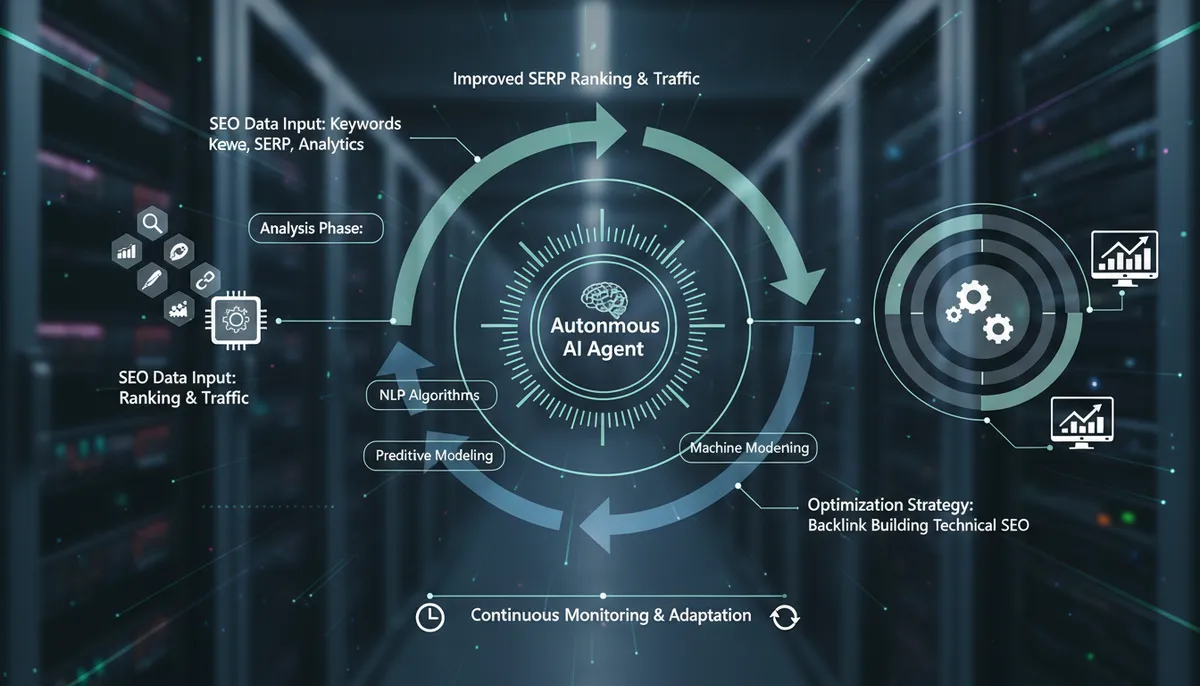
While standard chatbots spit out meta descriptions, agentic systems actually "do" the work by browsing the web and adjusting strategies in real-time, essentially acting as digital teammates that fix technical SEO issues while you sleep. GEOly tracks these autonomous powerhouses because they represent the shift from simple prompts to full execution in Generative Engine Optimization. If you're still manually auditing every page, you're using a typewriter in a world of cloud computing; it works, but you'll never keep up with those who have an agent in their corner.
Content
People often ask: "Is there an AI that can actually do SEO?" The truth is, while no single bot can replace a human strategist’s intuition, agentic AI is finally handling the heavy lifting. These tools don’t just offer advice; they execute actions. They can dive into massive datasets, run technical SEO audits, and even autonomously update content or adjust bids based on real-time performance. By taking over the drudgery of link analysis and constant monitoring, agentic AI acts as your tireless backend operator. It ensures your site stays optimized and healthy while you stay focused on the big-picture strategy.
AI-Powered Data Analysis: Uncovering Hidden Opportunities
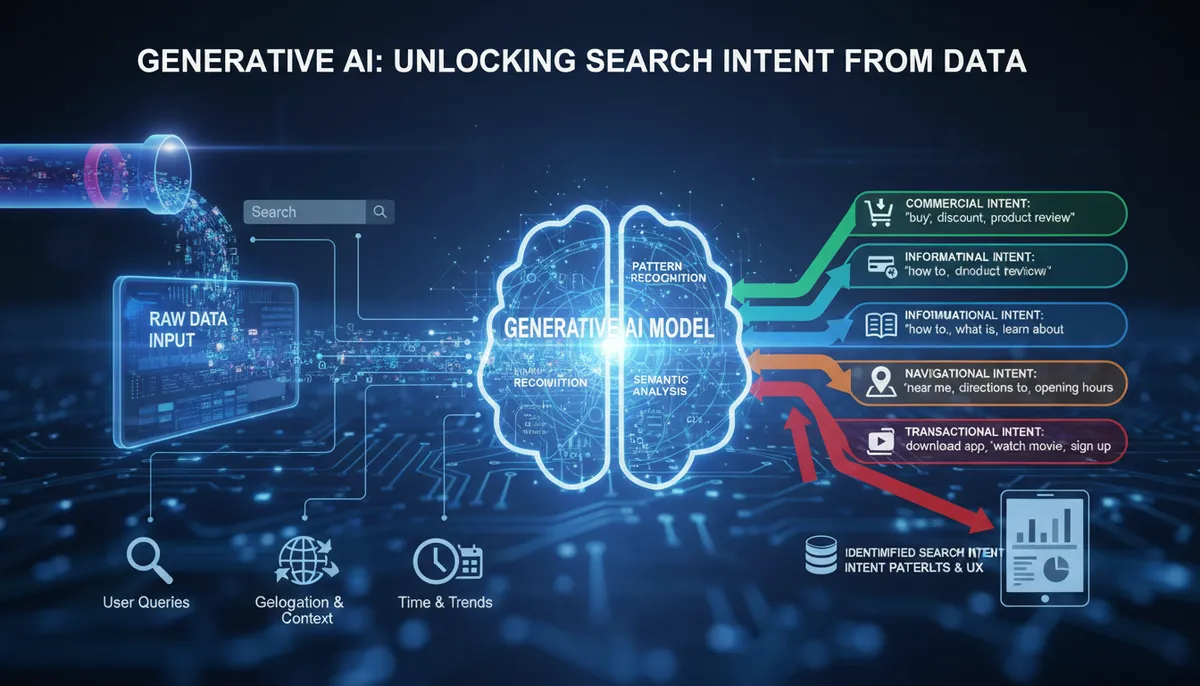
Stop guessing where your next traffic spike will come from. Traditional SEO tools show you what’s happening, but generative AI helps you understand why. By feeding raw search data into these models, you can spot subtle shifts in user intent that manual audits usually miss. (Think of it as having a data scientist who never sleeps.) For instance, instead of just seeing "low volume" keywords, you might discover an emerging niche your competitors haven't even named yet. Plug your Google Search Console data into a generative analyzer today, you’ll likely find a goldmine of untapped queries waiting for a dedicated landing page.
Content
Beyond those basic metrics mentioned in H3, AI changes how you actually build your strategy. While old-school analytics tell you what happened yesterday, AI predicts what your audience wants tomorrow. You can now map out intent-based clusters and hidden LSI keywords that used to take weeks to find manually. Think of it as a gap analysis on steroids; you’re spotting exactly where competitors are slipping up and filling those holes before they notice. By weaving predictive trends and technical SEO into your daily workflow, you’re turning generic 'Top 5' advice into a data-backed plan that actually moves the needle.

Harnessing GEOly: Your Generative Engine Optimization Directory
You've got the content strategy down, but finding the right tech to execute it shouldn't feel like a second job. That’s where GEOly comes in. We’ve curated a directory that cuts through the noise of "AI-powered" hype to find tools that actually move the needle in generative search results. Whether you’re trying to land a spot in a Perplexity citation or optimize for Gemini’s snapshots, this is your shortcut. Stop jumping between dozens of tabs and start plugging in vetted solutions that help you win in the new era of search. It’s built by SEOs, for SEOs who value their time.
Content
Let’s be honest: the AI SEO space is currently a wild west, and you’ve likely spent hours scrolling social threads just to find one tool that actually works. That’s why we built GEOly, the premier directory for Generative Engine Optimization tools designed to help you cut through the noise. We curate and categorize the best AI-driven solutions so you can ditch the guesswork, compare features, and make informed decisions instantly. By simplifying discovery, GEOly ensures you stay ahead of the evolving AI landscape while focusing on what really matters, driving actual performance results for your brand or clients.
Building Future-Proof Strategies with AI & Knowledge Graphs
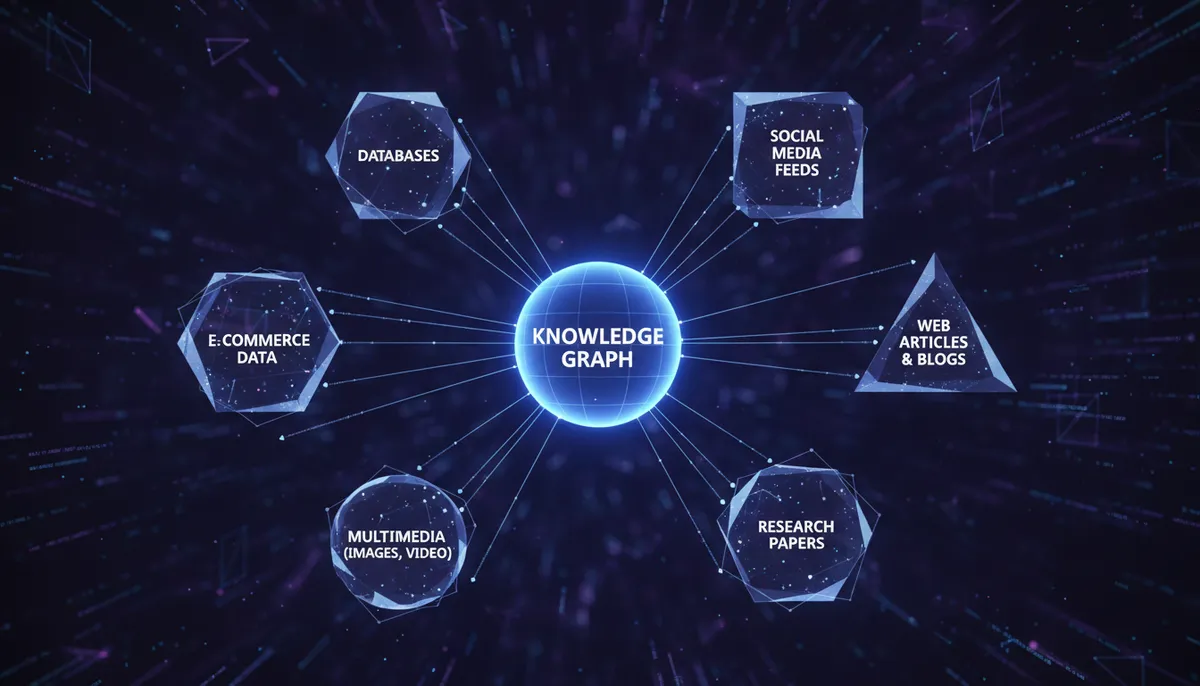
Content alone won't keep you ahead as search engines evolve into answer engines. To future-proof your strategy, you need to understand how AI uses knowledge graphs to connect dots between your brand and relevant topics. Instead of just chasing keywords, focus on building topical authority that feeds these neural networks. Modern SEO tools now help you map out these entity relationships, ensuring your content is seen as a factual, trusted source. By integrating knowledge graph principles today, you're not just optimizing for a search bar; you're anchoring your digital presence in a way that AI models can easily digest and recommend to users.

Content
Keywords are yesterday's news; today, it’s all about relationships. To win at AI SEO, you need to think in terms of knowledge graphs, helping search engines connect the dots between your brand, your expertise, and the specific problems you solve. It’s about building a web of context that clearly signals E-E-A-T. By using generative tools to structure your data, you’re not just publishing articles; you’re feeding a sophisticated entity-mapping system. Don't stop at current data, though. Harness AI to predict search behavior and emerging trends. When you anticipate the user's next question, you stop chasing the algorithm and start leading it.
Conclusion
The integration of generative and agentic AI isn’t just a minor update for SEO; it’s a total redefinition of how we reach audiences. These tools do the heavy lifting, from automating content creation to uncovering deep predictive analytics that human eyes might miss. This shift empowers you to move from reactive tactics to a proactive strategy where efficiency is built into every move you make. You’re no longer just chasing algorithms, you’re using machine intelligence to stay several steps ahead of them.
Embracing these advanced GEO tactics is no longer a "nice-to-have" option; it’s essential for anyone who wants to maintain visibility in an evolving digital sphere. By strategically picking the right platforms, you can navigate these changes with confidence. Your goal is to ensure your strategy isn’t just current, but actually future-proof. Ready to find the tools that will transform your results? Explore the directory at GEOly to find the specific generative technology that will elevate your performance and secure your competitive advantage.