
Generative Engine Optimization Tools: Your 2026 Guide to AI Search Success
Dominate 2026 AI search by mastering these essential Generative Engine Optimization tools for guaranteed success.
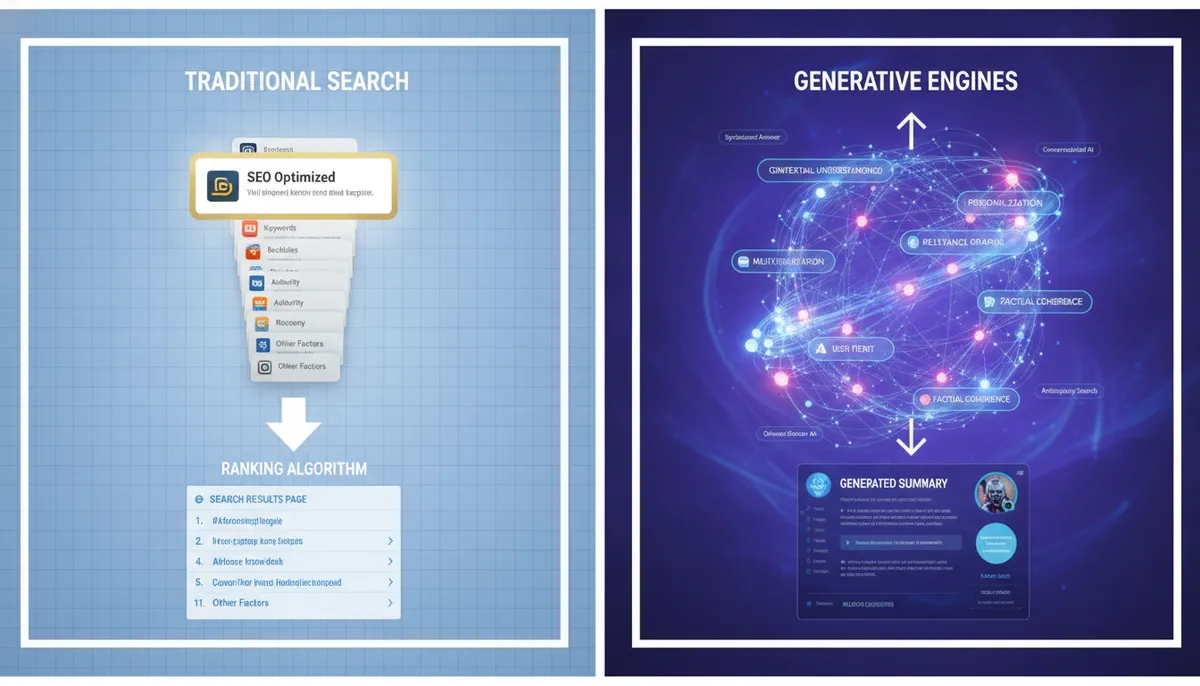
Introduction: Navigating the Generative AI Search Frontier
Remember when search was just a game of matching keywords to meta tags? That era is over. We’ve entered the age of "answer engines" that synthesize information instantly rather than just listing links. If you’re asking if SEO is still worth it in 2026, the answer is a resounding yes, it’s just evolved. This new frontier is Generative Engine Optimization (GEO). It’s no longer about simply ranking #1; it’s about becoming the primary source ChatGPT, Google’s AI Overviews, and Gemini cite when answering your customers.
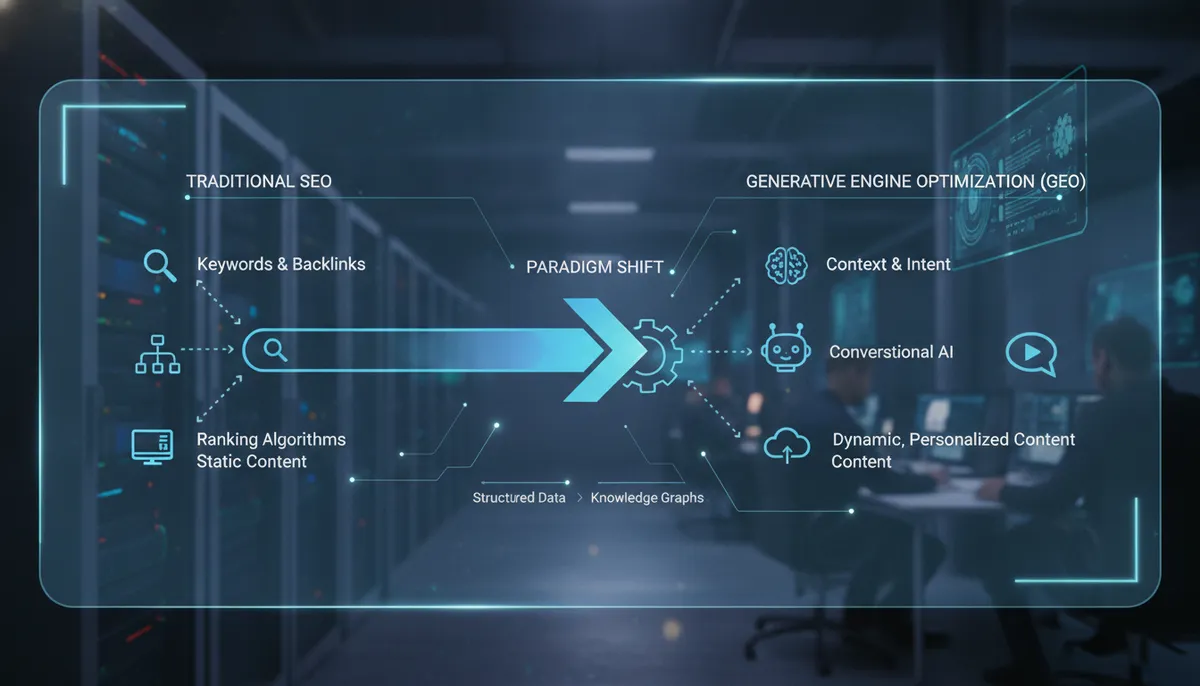
Adapting to this landscape is essential for staying visible. Platforms like Gemini and Copilot prioritize conversational context over old-school keyword density. To help you lead this shift, we’ve curated the best GEO tools to help you thrive through 2026. Let’s explore the tech that turns AI search from a looming threat into your biggest growth lever.
The Generative Search Revolution: Why GEO is Non-Negotiable for 2026
Remember when the biggest stress in marketing was securing that #1 spot for a high-volume keyword? That world is fading fast. Generative Engine Optimization (GEO) is the new frontier, shifting the focus from ranking static pages to influencing the actual responses AI-powered search engines provide. It is closely tied to Answer Engine Optimization (AEO), where the goal isn't just to be found, but to be the primary source that the AI trusts and cites. You aren't just building a website anymore; you’re feeding a digital brain.
Think about your own recent habits: you likely check Google’s AI Overviews, Perplexity, or ChatGPT before clicking a single blue link. These platforms, including Gemini and Copilot, don't just list websites; they synthesize data into a cohesive response. If your content isn’t structured to be digestible by these large language models (LLMs), you aren't just losing rank, you're becoming invisible to the next generation of users who value immediate answers over endless scrolling.
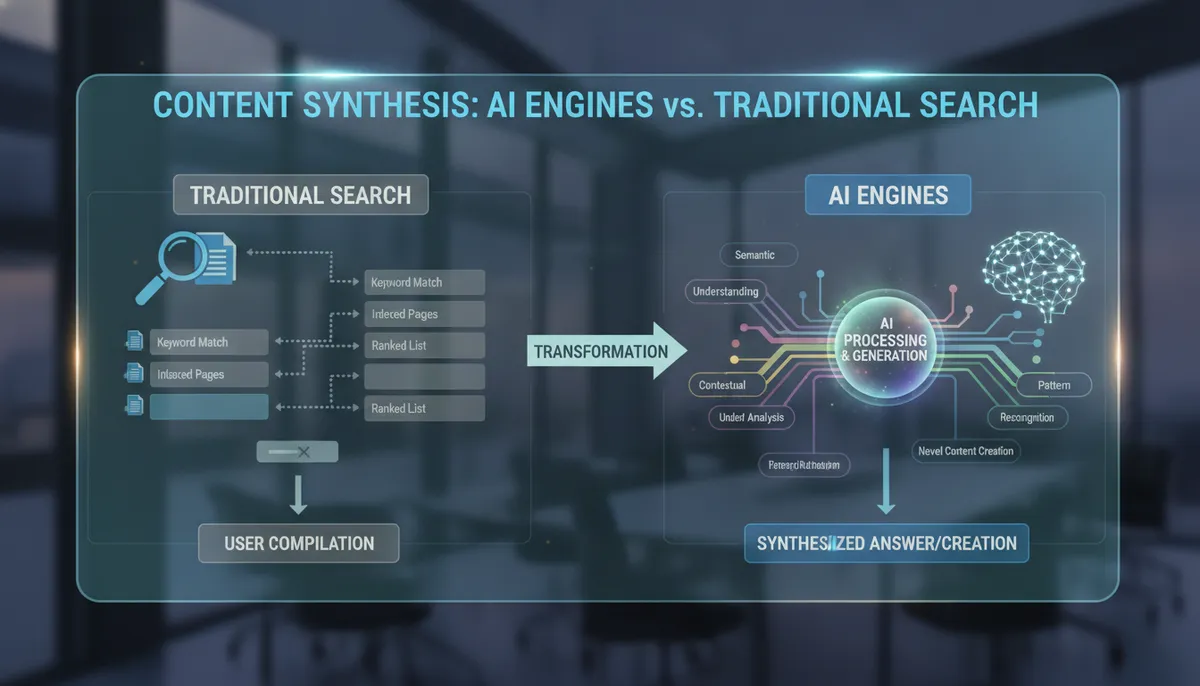
A strong GEO strategy offers a competitive edge that traditional methods can't match. When an AI cites your brand as the definitive answer, it builds immediate authority and shapes user perception before they even visit your site. You are essentially training the search engine to see you as the subject matter expert, which is a powerful psychological win in any sales funnel. It moves you from being just another option to being the recommended solution.
People often ask if SEO is "dead" in this new era. The answer is a loud, resounding no; it has simply evolved into GEO. By 2026, this shift will be complete, and those stuck in the old "link-building" mindset will be left behind. GEO is non-negotiable because it respects how people actually find and consume information today. It’s time to stop optimizing just for bots and start optimizing for the answers they provide to your customers.
Essential Features: What Makes a Top-Tier GEO Tool?
If you’re still only tracking blue links, you’re missing half the story. A top-tier GEO tool needs to reveal how AI models like Perplexity, Gemini, and GPT-4 actually perceive your brand. It’s not just about a simple mention; it’s about sentiment analysis, is the AI recommending you as a trusted leader or just listing you as a generic alternative? You need granular data on source attribution to see exactly which sections of your site the AI is citing in its responses.
Think of the "AI Overview" as the new featured snippet, but with much higher stakes for your click-through rate. You need a tool that monitors your Generative SERP visibility across multiple LLMs to see if you’re the primary source or buried in the "read more" citations. It’s about measuring your share of voice in synthesized answers. If your brand appears in the summary but doesn't get the primary link, your GEO strategy needs an immediate pivot.
Optimizing for AI synthesis isn't just about keywords anymore; it’s about making your content digestible for a machine that thrives on structure. A top-tier tool identifies knowledge gaps, areas where the AI is currently hallucinating or lacks information, so you can provide the definitive, authoritative answer it’s looking for. These tools help you refine FAQs and structured data so LLMs can scrape and synthesize your insights without any technical friction or ambiguity.
Search intent has evolved from simple keywords to complex, conversational prompts. Users aren't just typing "best CRM"; they’re asking "which CRM is best for a 10-person remote agency focused on privacy?" You need a tool that analyzes these evolving prompt patterns to help you reverse-engineer the answers LLMs provide. By mapping your content to these specific user queries, you ensure your brand is the one the AI chooses to satisfy that specific, high-intent audience.
Finally, don't throw your traditional SEO metrics in the trash just yet. The most effective GEO platforms integrate foundational SEO data, like backlinks and domain authority, with new-age AI tracking. You need to see how your organic rankings influence your generative visibility to ensure a consistent brand message across all search formats. It’s about having a holistic dashboard that bridges the gap between the Google of yesterday and the generative search of tomorrow.
Top Generative Engine Optimization Tools for 2026 and How GEOly Helps You Choose
So, you know what makes a tool great, but where do you actually find them? As we barrel toward 2026, the GEO landscape has fractured into a few distinct camps. You’ve got generative search trackers that act like a digital radar, showing you exactly where your brand pops up in AI-generated answers. Then there are the structured data specialists that feed Perplexity and Gemini the clean data they crave, alongside content assistants that don't just check for keywords, but for "AI-readiness."
The best platforms now offer more than just a dashboard; they provide deep sentiment analysis to tell you if an AI is recommending your product or just mentioning it as a cautionary tale. Monitoring these AI-driven SERP features, like Google’s latest overviews, is no longer optional if you want to stay visible. These tools analyze how models synthesize your content, helping you tweak your tone until the AI sees you as the definitive authority. (Trust me, an AI’s "opinion" of your brand is the new five-star review.)
We’re also seeing specialized GEO tools emerge for specific corners of the web. E-commerce brands are using review synthesizers to ensure AI engines pick up on their best customer feedback, while local businesses use geo-specific optimizers to win "near me" queries in conversational search. Even niche industries, from medical tech to legal services, now have dedicated assistants that ensure their highly technical content remains digestible for LLMs without losing its factual precision. It's about being the most "citable" source in your specific neighborhood of the internet.
But here’s the problem: the market is exploding. Last Tuesday, I counted three new "game-changing" GEO startups launching on Product Hunt alone. It’s noisy, it’s confusing, and quite frankly, it’s exhausting to vet every new tool that claims to be the "best AI tool for SEO optimization." This is exactly why we built GEOly. We wanted to create a central hub where you can cut through the marketing fluff and find the specific tech your stack is actually missing.
GEOly acts as the premier directory for the GEO space, directly answering that nagging question: "Which tool is actually worth my budget?" We’ve curated a list of the top performers, complete with detailed comparisons and user-generated feedback that tells the real story. Whether you need a heavy-hitter for brand reputation monitoring or a lean tool for content optimization, GEOly lets you filter by your specific goals. Don't waste weeks on trial-and-error; use our directory to find your perfect match and get back to winning the search game.
Selecting the Right GEO Tool for Your Business
Knowing which tools are leading the pack is one thing, but figuring out which one belongs in your specific tech stack is where the real work begins. Start by defining the fire you’re trying to put out. Are you focused on brand protection, ensuring LLMs don’t hallucinate your pricing, or are you chasing competitive analysis to see why a rival is outranking you in AI snippets? Align your budget with these strategic "must-haves" so you aren't paying for enterprise bloat when a streamlined solution would do the trick.
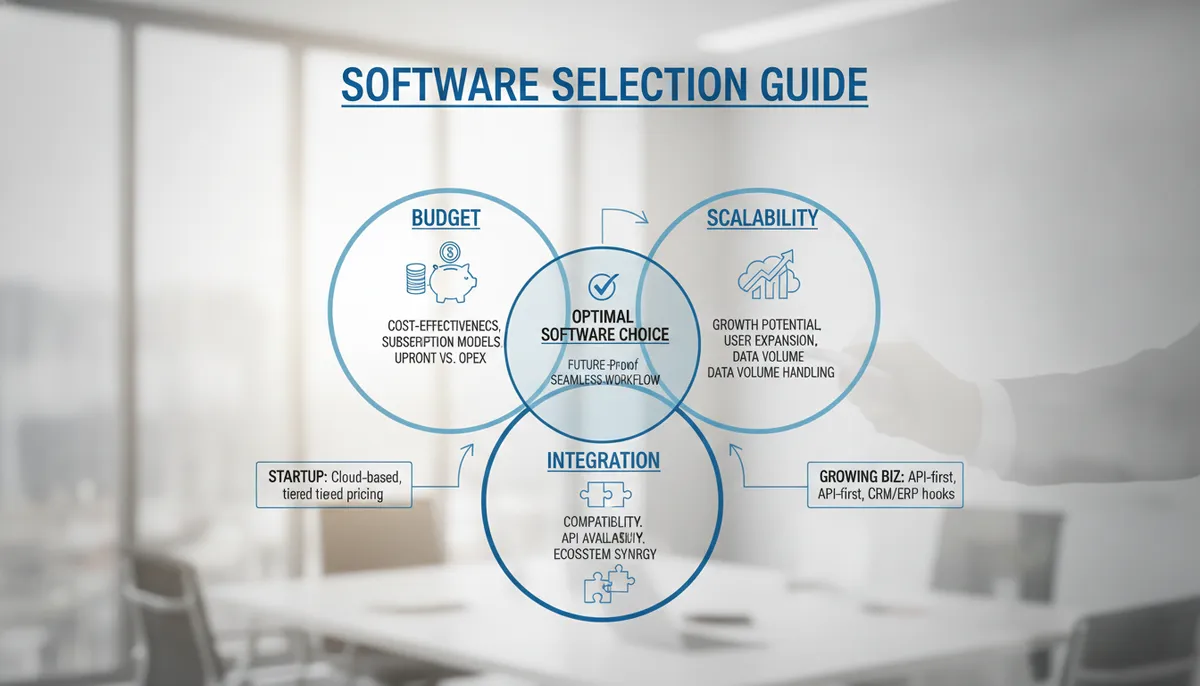
Growth happens fast in the AI space, so ensure the tool scales with your project load without breaking the bank. If the interface feels like navigating a dense 90s spreadsheet and requires weeks of specialized training, your team simply won't use it. Choose a platform that feels intuitive; software should simplify complex Generative Engine data into actionable steps, not become another frustrating hurdle in your workday.
Finally, don’t let your GEO data live on a lonely island. Your chosen platform must play nice with your current SEO stack and CMS. If you have to manually bridge the gap between AI insights and your analytics, you’re losing the efficiency game. Seek out integrations that keep your workflow fluid so your strategy actually gets implemented instead of sitting in an unread report.
Conclusion: Master GEO, Master Your Future in AI Search
The massive shift toward Generative AI isn't just a trend, it’s the new reality for every digital marketer. By 2026, your brand’s visibility will depend entirely on a proactive GEO strategy. Let's be clear: powerful Generative Engine Optimization tools are no longer a luxury for elite brands. They’re the fundamental engine room for anyone wanting to stay relevant in AI-driven search results. When choosing your tech stack, prioritize tools that provide deep, actionable insights over generic metrics. Ready to own the future of search? Explore the GEOly directory today and find the perfect tool to secure your competitive edge for 2026 and beyond.