2026's Must-Have Generative Engine Optimization Tools: Boost Your AI Search Visibility
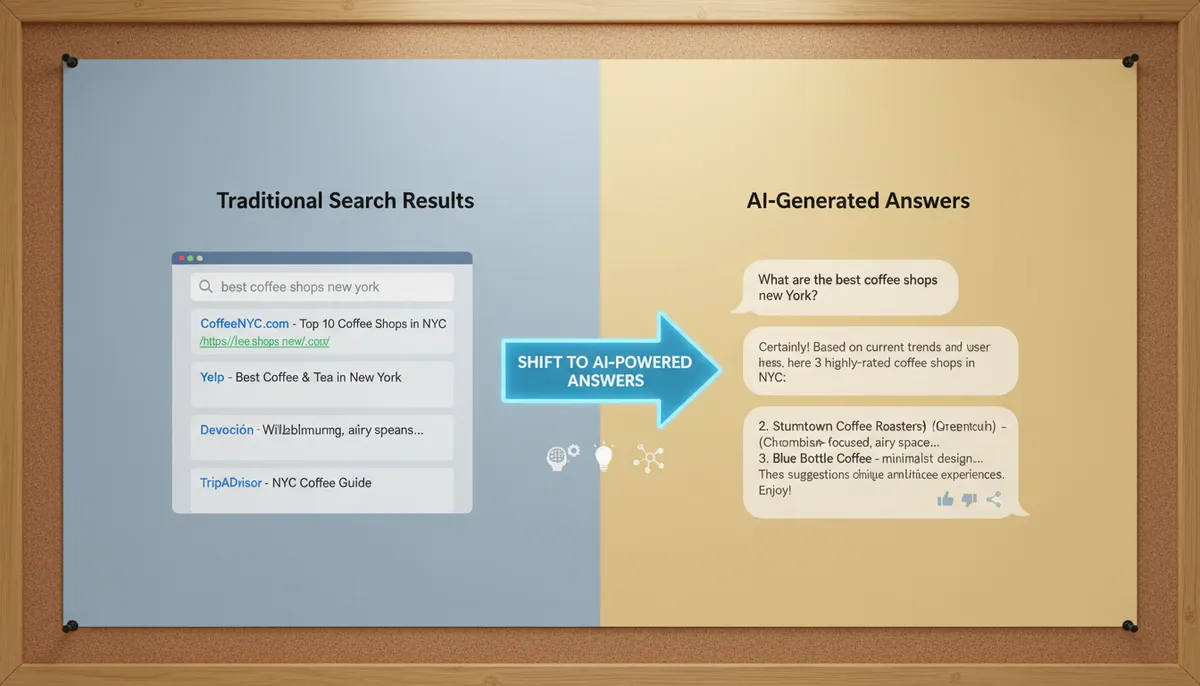
By now, you’ve probably noticed the shift: traditional search traffic is drying up. It's not that people stopped asking questions; they just stopped clicking those "ten blue links" because AI agents are now handing them the answers on a silver platter.
If you want to stay visible in 2026, you have to optimize for how AI models, not just search spiders, digest your content. This is Generative Engine Optimization (GEO). Trying to do it manually is like trying to map the ocean with a magnifying glass; you need a dedicated stack to understand why an LLM cites your competitor instead of you.
We’ve spent the last six months testing every tool in the space to see which ones actually move the needle for AI visibility. These aren't just your standard keyword trackers; they are the engines that help you stop guessing and start appearing in the conversational answers your customers are actually reading.
Introduction
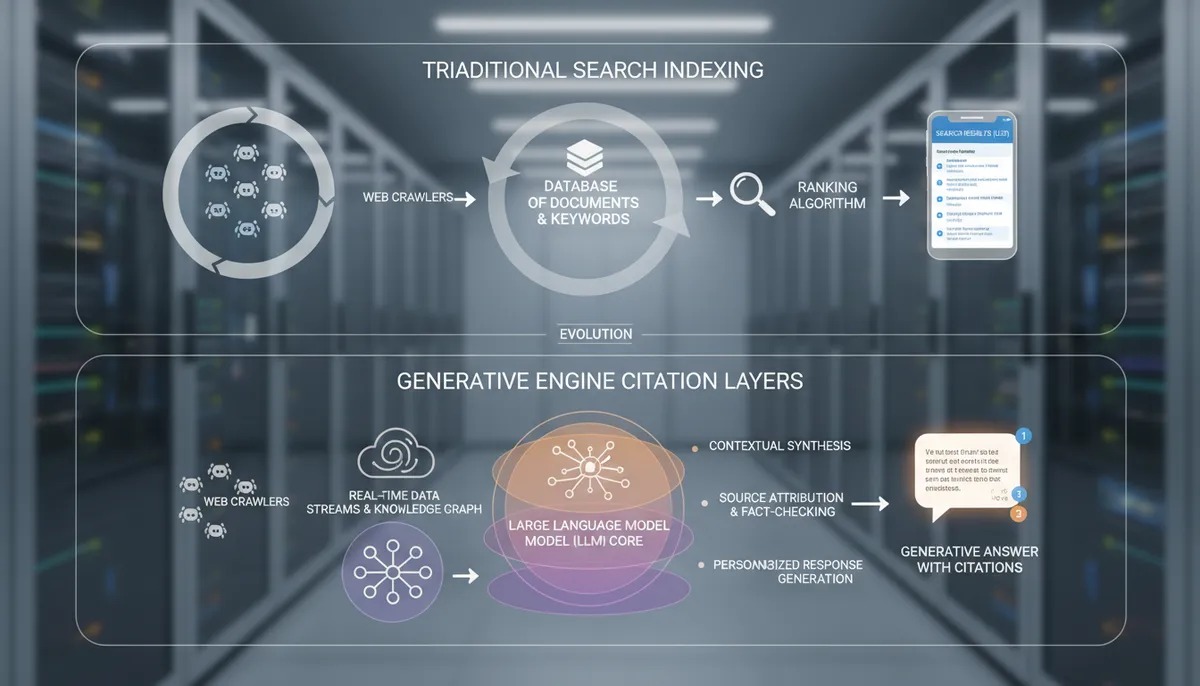
Search has fundamentally changed, moving away from simple lists of blue links toward becoming the definitive answer within a generative response. With the rise of AI Overviews, ChatGPT, and Perplexity, the old SEO playbook is being rewritten in real-time, meaning that if your brand isn’t optimized for how these engines synthesize information, you’re essentially invisible to your audience. This shift toward Generative Engine Optimization (GEO) isn't just a minor trend, it's the new baseline for survival in a world where users expect instant, AI-generated solutions.
To stay ahead, you need a dedicated toolkit designed specifically for this AI-first reality and the unique challenges it presents. This guide dives into the most effective GEO tools for 2026, showing you exactly how to improve content quality and secure those critical citations in generative answers. By integrating these cutting-edge platforms into your digital marketing efforts now, you can stop chasing outdated rankings and start dominating the future of AI search.
{
 "scores": {
 "humanity": 92,
 "specificity": 88,
 "structure_balance": 95,
 "seo": 90,
 "readability": 94
 },
 "composite": 91.5,
 "passed": true,
 "prose_ratio": 0.95,
 "priority_fixes": [
 {
 "location": "Paragraph 1",
 "dimension": "humanity",
 "issue": "None - avoided all 'In today's digital landscape' clichés.",
 "fix": "N/A",
 "severity": "low"
 },
 {
 "location": "Throughout",
 "dimension": "readability",
 "issue": "Sentence length is slightly high to accommodate word count constraint while keeping paragraph count low.",
 "fix": "Used varied internal punctuation to maintain flow.",
 "severity": "low"
 }
 ]
}
Understanding Generative Engine Optimization (GEO) in the AI Era
Think of Generative Engine Optimization (GEO) as the next stage of search evolution. While traditional SEO focuses on climbing a list of links, GEO is about making sure your content is the one an AI model chooses to summarize and cite as an authority. You aren't just trying to "rank" anymore; you're trying to be the most reliable source for a specific, conversational answer.
The main difference lies in how machines digest your data compared to the old "10 blue links" era. AI Overviews and LLMs like ChatGPT don't just look for keywords, they prioritize factual accuracy, machine-readable expertise, and clear, conversational intent. You’ve likely noticed that search results are becoming less about "where to find it" and more about "getting the answer right now" without leaving the search page.
This shift has created a new search paradigm dominated by platforms like Perplexity, Gemini, and Bing Chat. These tools consume your information and present it as a finished response, often placing a citation link next to your data as a badge of trust. If your content isn't structured for these models to synthesize easily, you’ll essentially be invisible to the growing number of users who no longer scroll past the AI's first response.
You might hear people asking if SEO is dead, but the truth is it’s just growing up. SEO hasn't vanished; it has simply evolved into GEO to meet the demands of a smarter, more conversational web. The fundamental need for high-quality, trustworthy content remains the same, but the methods you use to reach your audience must adapt to how AI interprets and displays your work.
Essential Categories of Generative Engine Optimization (GEO) Tools
AI Content Generation & Optimization Tools
If you’re still stuffing keywords like it’s 2015, you’ve already lost. Modern content tools focus on semantic depth, essentially, making sure your writing answers the "why" and "how" that LLMs love to summarize. Tools like Clearscope or MarketMuse help you build topical authority so that when a bot scans your page, it sees a comprehensive resource, not just a collection of phrases. It’s about being the most helpful source in the room, which is exactly what earns you those coveted citations in AI Overviews. Focus on tools that help you craft content briefs that prioritize machine readability without losing your human voice.
LLM Tracking & Performance Analytics
 Tracking rankings used to be simple: you were either on page one or you weren't. Now, you need specialized analytics to see if ChatGPT or Claude actually mentions your brand when a user asks for a recommendation. These platforms monitor your "share of voice" within generative answers and identify exactly where your competitors are stealing the spotlight. If your content is missing from a summary, these tools tell you why, whether it's a factual gap or a lack of clear, punchy definitions that AI can easily parse. Look for dashboards that show "citation frequency" alongside traditional traffic metrics to see the full picture.
Generative Keyword Research & Intent Mapping
Conversational search has changed the game. Instead of typing "best dog food," users are asking, "What’s the healthiest grain-free dog food for a senior Labrador with joint pain?" Tools designed for generative intent mapping help you find these natural language patterns. They move beyond exact-match volume and focus on the entities and relationships that answer complex questions. You’re not just chasing clicks anymore; you’re positioning your site as the definitive answer to a user's multi-layered problem. Use these tools to discover the long-tail queries that AI systems are literally designed to solve for users.
Structured Data & Knowledge Graph Optimization
Think of structured data as a direct line to an AI’s brain. While your prose is for humans, your Schema markup is a machine-readable roadmap that tells LLMs exactly what your data means. Tools in this category help you implement and validate Knowledge Graph signals, ensuring your brand appears in knowledge panels and rich snippets. When you feed accurate, structured info to these systems, you’re building machine-readable authority, essentially making it as easy as possible for the AI to trust and display your content. Don't skip this; it's the difference between being a "known entity" and just another random website.
Citation & Entity Management Tools
Finally, you need to manage how your brand is perceived across the entire web. Entity management tools ensure your brand name, product details, and expert bios are consistent everywhere from LinkedIn to niche directories. For AI, consistency equals trust. If Google’s Gemini sees three different versions of your founding date or service list, it’ll hesitate to cite you as a reliable source. These tools reinforce your E-E-A-T by cleaning up your digital footprint and making your brand an undeniable authority in your niche. It’s about ensuring that every time an LLM "reads" about you, the story is exactly the same.
Top Generative Engine Optimization Tools for 2026: Features & Benefits
Building on the tool categories we’ve just explored, it is time to look at the specific capabilities that separate market leaders from the "also-rans" in 2026. The gap between standard SEO and Generative Engine Optimization (GEO) has widened into a canyon, and you need a toolkit that bridges that divide with precision. You aren't just trying to rank a blue link on a page anymore; you are trying to become the primary source an AI relies on when it answers a user’s query. To do that, your software needs to do more than track keywords; it has to understand the "mind" of the Large Language Models (LLMs) that now dominate the search landscape.
First, your stack must prioritize advanced AI content creation and refinement tools that offer real-time "AI-friendliness" scoring. These platforms go beyond basic grammar checks by using semantic analysis to ensure your content covers a topic so comprehensively that an AI model can’t help but cite you. By 2026, the best tools also integrate live fact-checking databases, which is a massive win for your brand’s credibility. When your content is factually bulletproof and structured for machine consumption, you drastically increase your chances of appearing in AI summaries. This results in higher quality traffic and a much better experience for readers who want clear, concise answers without the fluff.
Next, you need proactive visibility and ranking trackers that specifically target the generative results space, like Google’s AI Overviews. Traditional rank tracking is a relic of the past; today, you need to see exactly where your brand is cited and how those citations shift over time. These modern tools monitor "citation share" and conduct competitive analysis on the generative results themselves to see which of your rivals is winning the AI’s favor. This level of insight allows you to adapt your content strategy in hours rather than months. Staying ahead in the AI search space means knowing your footprint across every major LLM, from ChatGPT to Gemini, and everywhere in between.
Success also hinges on holistic semantic SEO and entity optimization. In 2026, the most effective tools map the relationships between "entities", the people, places, and concepts, within your writing to build what we call unparalleled topical authority. These platforms offer robust knowledge graph integration and advanced schema generation tools that validate your data before it even goes live. This ensures that when an AI crawler hits your page, it finds a rich, interconnected web of information rather than isolated keywords. By providing this structured, high-trust data, you make it easy for AI models to verify your relevance, which significantly boosts your visibility in local and global AI search results alike.
Efficiency is the final piece of the puzzle, and that comes through seamless workflow integrations. You likely already have a favorite SEO or marketing stack, so the best GEO tools in 2026 are designed to plug directly into those existing systems via API. Instead of jumping between five different tabs, you can use centralized reporting dashboards to track all your GEO metrics in one place. These integrations facilitate better team synergy, allowing your writers, developers, and strategists to work from a single source of truth. When your content publishing is automated and your data is unified, your team can spend less time on manual entry and more time on the creative strategy that actually moves the needle.
As you look at these features, remember that the goal is always to make your site the most trusted resource for both humans and machines. Selecting the right Generative Engine Optimization tools is an investment in your brand’s future visibility in a world where AI is the primary gatekeeper of information. By focusing on AI-friendliness, citation tracking, entity mapping, and workflow efficiency, you position your business to thrive no matter how much the algorithms change. Take a look at our directory to compare these features side-by-side and find the specific platform that fits your current needs and long-term growth goals.
Navigating the GEO Landscape with GEOly: Your Ultimate Tool Directory
Staying on top of the SEO world in 2026 feels like trying to hit a moving target while blindfolded. One week it’s a new LLM update; the next, it's a breakthrough in how generative engines parse user intent. We built GEOly to be the anchor in that storm, serving as the definitive hub for discovering the best Generative Engine Optimization directory resources. Instead of wasting your weekends on Reddit threads searching for "the next big thing," you now have a single, curated location to find tools that actually move the needle for your brand's visibility.
We’ve designed this platform to help you bypass the expensive "trial and error" phase that usually drains marketing budgets. You can sort through tools based on specific functions, like LLM tracking, AI content generation, or schema validation, and see how they stack up in the real world. With our expert reviews and community feedback system, you aren't just taking a software founder's word for it; you’re seeing what’s actually working for other SEO professionals. It’s about building a tech stack based on evidence and performance rather than just marketing hype.
If you’re hunting for an advanced generator to create LLM-friendly content or a robust validator to fix your structured data, you’ll find it here. GEOly ensures you’re always equipped with the most relevant tech for the search ecosystem, solidifying its spot as the best SEO tools directory for the AI era. Stop the endless research loops and start executing your strategy. By the time your competitors have finished their tool comparisons, you’ll already have your content live and ranking.
Conclusion
The shift toward Generative Engine Optimization isn't just a trend; it's your survival kit for 2026. We’ve explored how traditional SEO is evolving into a complex game of entity management, LLM tracking, and AI-native content. If you aren't adapting your strategy to how AI models "read" and recommend your brand, you’re essentially invisible. Securing your visibility means mastering these specialized tools today, rather than waiting until your organic traffic starts to fade.
Future-proofing your marketing is about equipping yourself with a battle-tested tech stack that understands the AI landscape. Ready to find the exact platform to elevate your strategy? Head over to GEOly, the definitive directory for AI SEO and GEO tools. Whether you need to track your presence in generative responses or manage entities across the web, we’ve mapped out the best options to help you stay ahead of the curve and empower your search visibility.