
Essential SEO Tools for Beginners: Your Ultimate Guide for 2026 (Free & Paid)
Ready to rank? Here are the best 2026 beginner tools.
Introduction
Ever feel like SEO tools are designed by robots, for robots? You open a new dashboard and it looks like a cockpit from a 90s sci-fi movie. If you’re a marketing newbie in 2026, the technical jargon alone is enough to make you quit. But here is the reality: ignoring search isn’t an option if you want to stay visible. The good news? You don’t need to be a data scientist to win. You just need tools that prioritize clarity so you can focus on growing your business.
This guide cuts through the noise to showcase the best SEO and Generative Engine Optimization (GEO) instruments for beginners. At GEOly, we’ve tested both free and paid options to help you navigate the massive AI-driven shift in how people search. These are the essential keys to unlocking your website’s potential this year without the technical headache. Let’s skip the fluff and get you the tangible results you deserve.
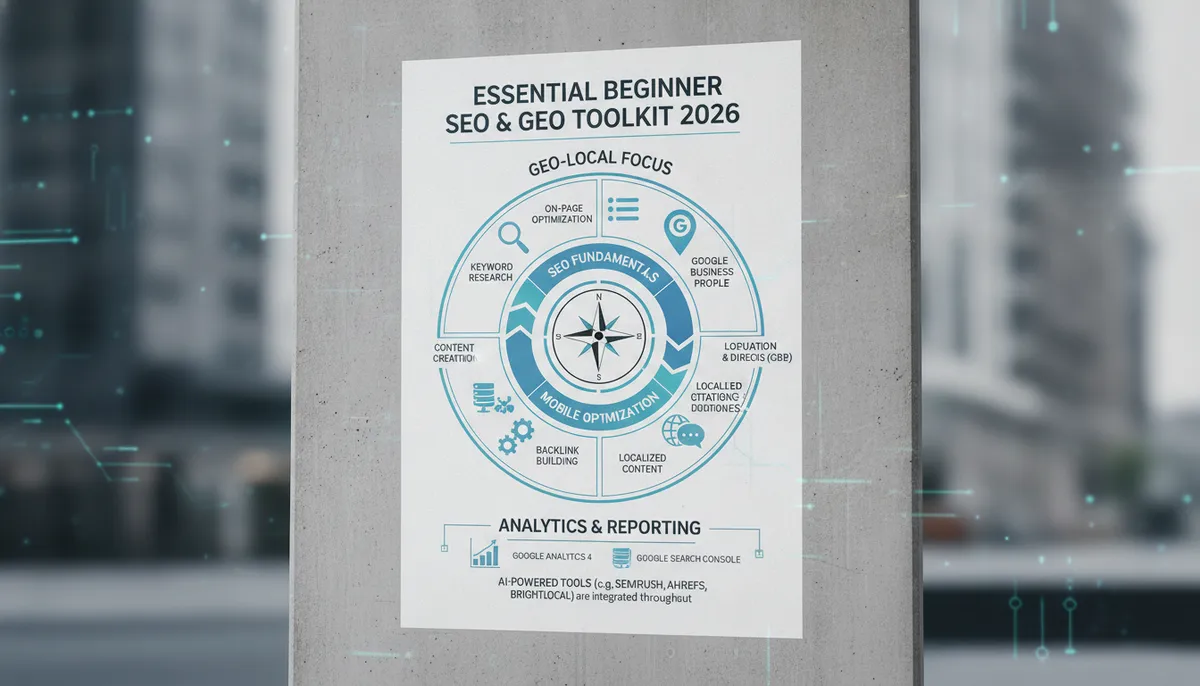
Why SEO Tools Are Non-Negotiable for Beginners in 2026
Winging it in 2026 is a one-way ticket to burnout. With AI engines shifting algorithms daily, you need more than a "gut feeling" to rank. These tools act as your GPS, turning messy data into a clear map so you stop wasting hours on content that nobody actually finds.
Demystifying SEO: What Tools Help With
Most people treat SEO like digital alchemy, a secret recipe of keywords and blind luck. But honestly? It’s just data management. When you're staring at a blank screen or wondering why your traffic plummeted, the right tools act as your North Star. They strip away the guesswork by showing you exactly where your site is leaking visitors and which topics your audience actually cares about. Whether you're tracking rankings or auditing technical errors, these tools turn "I think this works" anxiety into "I know this works" confidence.
Modern tools also help you bridge the gap between traditional search and the new world of generative AI. You aren't just optimizing for a blue link anymore; you're ensuring your brand is the one AI models cite as a trusted authority. From identifying high-intent keywords to monitoring your visibility in generative summaries, these platforms do the heavy lifting so you can focus on strategy. They don't just spit out metrics, they give you a roadmap to stay relevant in a landscape that shifts every time a new LLM drops.
Demystifying SEO: What Tools Help With
Think of SEO tools as your site's flight deck; they take the guesswork out of flying. They start by uncovering keyword research, the specific phrases your audience uses, so you aren't just guessing what people want. From there, site audits act as a diagnostic scan, pinpointing broken links or technical glitches that frustrate users and hurt your rankings. These tools transform a vague "SEO problem" into a clear, actionable checklist of fixes that actually move the needle.
Beyond your own pages, these tools let you perform competitor analysis to see which keywords others are winning and where they’re falling short. You can use this intel for content optimization, ensuring your posts are structured to satisfy both readers and search bots. Finally, performance tracking replaces "gut feelings" with cold, hard data on traffic and rankings. You'll see exactly which efforts are paying off, allowing you to stop wasting time and focus on the strategies that actually drive growth.
The Evolving Landscape: AI & SEO Tools
SEO tools aren't just calculators for keyword density anymore. Over the last year, we’ve seen a massive shift as traditional platforms scramble to integrate generative AI. It's no longer enough to rank on page one; now, you’re fighting for a spot in an AI-generated summary. This evolution has birthed a new category of tech focused on Generative Engine Optimization (GEO). These tools don’t just track where you sit in a list of blue links; they analyze how models like GPT-4 or Gemini perceive your brand's expertise.
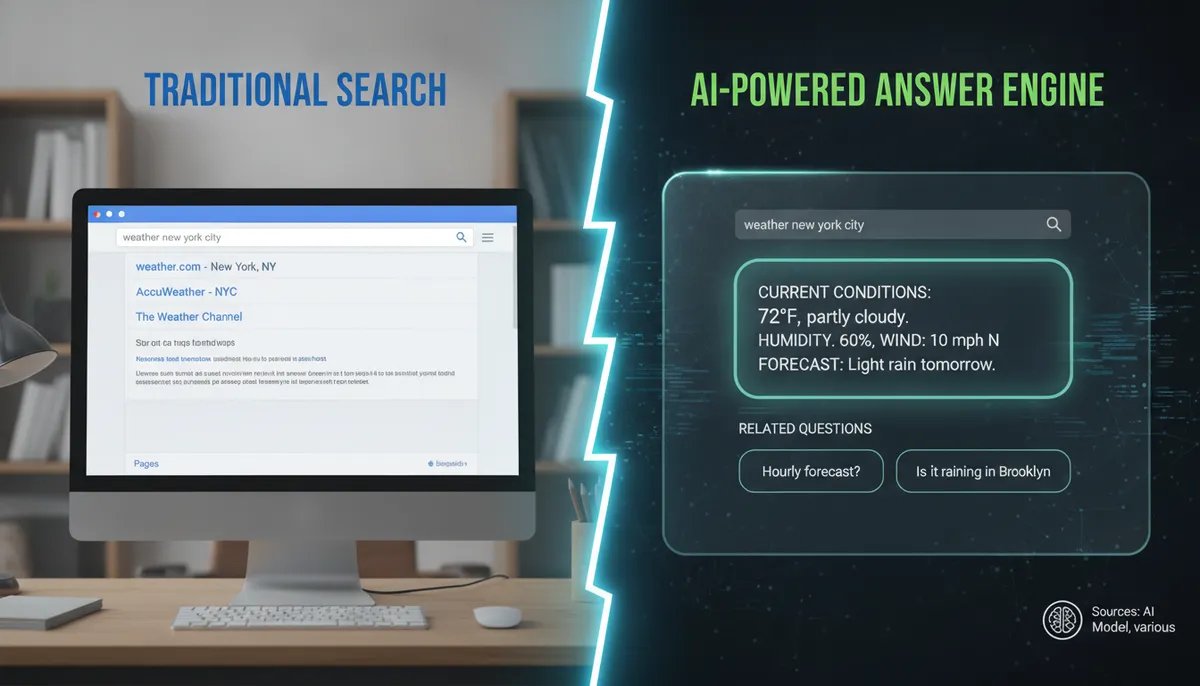
This shift means the "standard" SEO toolkit is getting a major upgrade. Modern platforms now include features that predict how AI search engines will cite your content or summarize your key points. At GEOly, we’ve watched this space transform into a mix of classic data and predictive machine behavior. If you’re still optimizing for 2019, you’re essentially flying blind. Success now requires tools that bridge the gap between human search intent and machine understanding.
The Evolving Landscape: AI & SEO Tools
You’ve likely heard the whispers that AI has killed SEO. It’s a dramatic claim, but the reality is much more interesting: SEO isn't dying; it's getting a massive power-up. AI is transforming the field by automating tedious grunt work and surfacing deeper insights that used to take days to uncover. Instead of replacing the human element, these tools act as a strategic partner. They allow you to focus on high-level creativity while the machine handles the data crunching. You’re still the pilot; AI is just the navigation system that keeps you from flying blind.
Can you just lean on ChatGPT for your entire strategy? Not exactly. While generative models are fantastic for brainstorming titles or drafting meta descriptions, they aren't a total replacement for dedicated software. ChatGPT lacks the ability to perform deep technical audits or provide the real-time data required to outrank a competitor. Think of AI as a brilliant assistant in your GEOly toolkit, it's there to help you build the foundation, but you’re still the architect in charge of the final structure.
Top Essential SEO Tools for Beginners (Free & Paid)
As AI reshapes search, you still need a solid foundation. Start with Google Search Console to track site health for free. For deeper competitive insights, paid powerhouses like Ahrefs or Semrush are worth the investment. These essentials turn SEO guesswork into actionable growth, helping you master basics before tackling advanced generative optimization.
Free Tools to Get Started
Moving from high-level strategy to actual execution usually triggers one major worry: the cost. You might think you need a $200-a-month subscription to even sit at the SEO table, but that’s just not true anymore. In fact, some of the most powerful data for Generative Engine Optimization comes straight from the source, for free. If you're just starting out, your goal isn't to buy every shiny tool on the market. It’s to understand how these engines perceive your site right now without draining your bank account.
Start with Google Search Console. It is the absolute baseline for any optimization effort. While it doesn't give you a specific "GEO score," it shows you the exact queries bringing people to your pages. If you notice your content ranks for long-tail, conversational questions, you're already winning half the battle for AI-driven search. Look at your top-performing pages and ask: "Is this answering the user's question directly?" If the answer is no, you have a clear, data-backed roadmap for your first set of content updates.
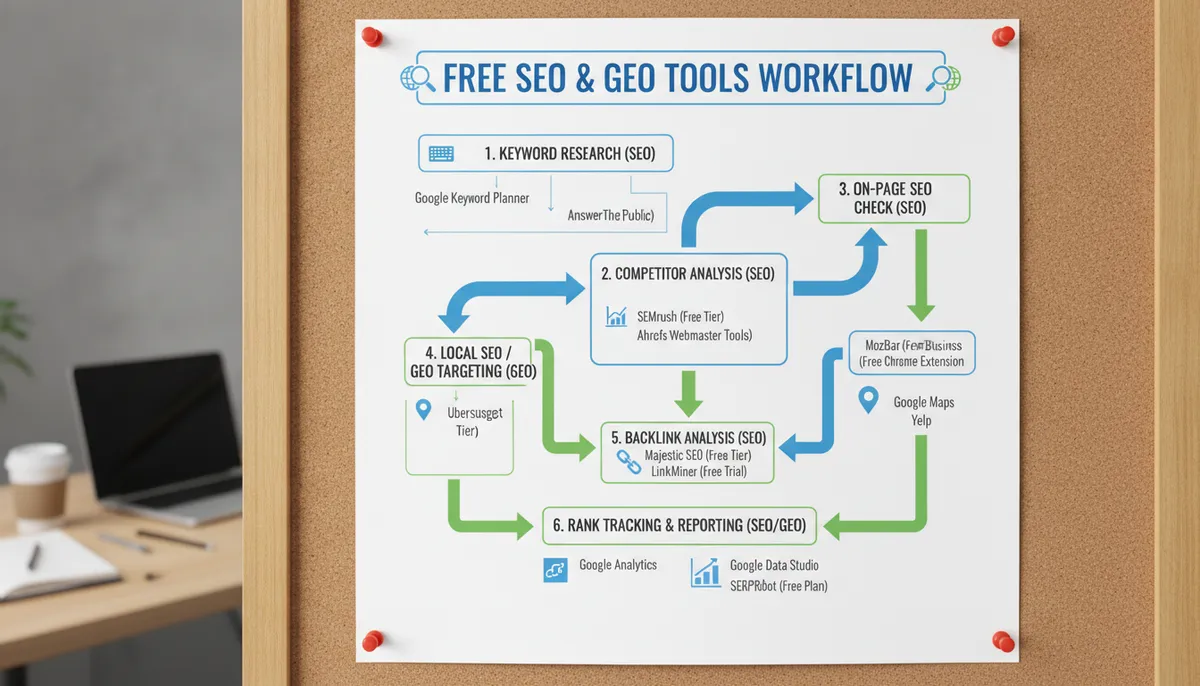
Don’t sleep on Bing Webmaster Tools either. Since Bing powers a massive chunk of the generative search world through its partnership with OpenAI, their dashboard offers unique insights you won't find anywhere else. They even have a specific "Performance" report that helps you track how your site shows up in their chat-based results. Combine this with free versions of Perplexity or Gemini to manually test how AI summarizes your brand. Just type in your niche and see which competitors the AI cites to find your gaps.
Finally, use tools like AnswerThePublic or AlsoAsked to map out the "who, what, where, and why" of your specific topic. Generative models are trained on how humans actually talk, and these tools give you a direct window into those natural language patterns. Pick three high-intent questions from the results and weave them into your subheadings. It usually takes less than twenty minutes, but it drastically increases your chances of becoming the "cited source" in an AI-generated response. You really don't need a massive software budget to win this game; you just need to be more intentional with the free data that is already sitting right in front of you.
Free Tools to Get Started
You don't need a massive budget to start ranking; you just need to know where the free doors are. Start with Google Search Console (GSC) and Google Analytics 4 (GA4). Think of GSC as your site’s stethoscope, it tells you if Google is actually "feeling" your pages by identifying indexing errors and showing exactly which search queries bring people to your door. Pair that with GA4 to track what those people do once they arrive. Instead of guessing, you’ll know if visitors are sticking around or bouncing because your landing page didn't deliver. These two are non-negotiable for anyone serious about tracking growth from zero.
Next, you need to find out what your audience is actually typing into that search bar. Google Keyword Planner is technically built for advertisers, but it’s a goldmine for organic SEO because it gives you raw search volumes and competition levels straight from the source. If you want a bit more "personality" in your data, try the free tier of Ubersuggest. Neil Patel’s tool is excellent for beginners who want quick content ideas and a peek at what competitors are doing without getting lost in complex technical spreadsheets. It limits your daily searches on the free plan, but for a fresh project, those insights are usually enough to spark a winning content strategy for the month.
Don't make the common mistake of ignoring Bing Webmaster Tools. While Google owns the lion's share of search, Bing powers a huge chunk of voice search and the integrated AI features that are becoming crucial for Generative Engine Optimization. It offers unique backlink data and keyword insights that Google sometimes keeps behind the curtain. Plus, their URL submission tool is incredibly snappy. By setting this up, you ensure you aren’t invisible to the millions of users who stick with the default Windows search or use Copilot to answer their daily questions. It's a quick win for cross-platform visibility that takes minutes to configure.
These free tools are your foundation, but remember that data is only useful if you act on it. The goal is to move from basic tracking to active optimization. Once you’ve used GSC to fix your crawl errors and Keyword Planner to find your niche, you can start looking at how your content stacks up in a generative AI world. Use these insights to build a site that isn't just a collection of keywords, but a resource that search engines, and the humans using them, actually trust. If you're looking for a leg up, start with these five and let the data guide your next move.
Paid Tools for Scaling Up (with Free Trials/Tiers)
Free tools are great for testing the waters, but if you’re trying to dominate AI-driven search results, you’ll eventually hit a wall. Scaling up requires more than just basic keyword data; you need deep competitive intelligence and the ability to track how your content performs across different generative engines. That’s where paid platforms come in. Most of these high-end tools offer free trials or entry-level tiers, giving you a chance to see the ROI before you commit your entire marketing budget. If you find yourself spending more time fighting with tool limitations than actually optimizing, it's time to upgrade.
Take a look at established giants like Ahrefs or Semrush. While they were built for traditional SEO, they’ve aggressively added features to track AI-generated snippets and "People Also Ask" boxes. If you're serious about scaling, you need their historical data to see which of your pages are losing ground to AI overviews. For instance, Ahrefs’ $99 Lite plan is a solid starting point for small teams who need more than the limited daily crawls free tools offer. These platforms help you identify the specific "seed" keywords that trigger generative responses, allowing you to pivot your strategy in real-time.
Beyond the household names, specialized GEO tools are emerging to help you optimize specifically for LLMs. Platforms like MarketMuse or Clearscope allow for rigorous testing of how AI interprets and summarizes your brand’s information. MarketMuse offers a free tier, but their paid "Standard" plan unlocks the ability to see content gaps that LLMs like Claude or ChatGPT are likely to notice. Scaling is all about efficiency. Paying for a tool that automates your GEO audits saves you dozens of hours of manual prompting. Imagine trying to manually check 50 keywords across three different AI models every morning, a paid dashboard does that in seconds.
Investing in a paid tool doesn't mean you have to break the bank on day one. Start with a seven-day trial, run a single campaign for your top-performing page, and measure the traffic jump. You’ll likely find that the data accuracy and time saved outweigh the monthly subscription cost. Remember, the goal of Generative Engine Optimization isn't just to be "seen" by AI; it's to be the primary source it cites. Paid tools give you the granular control and technical data necessary to make that happen consistently as your site grows.
Paid Tools for Scaling Up (with Free Trials/Tiers)
Ready to move beyond the basics? Once your site starts gaining traction, you need a toolkit that can handle the heavy lifting. Semrush is essentially the Swiss Army knife of digital marketing, covering everything from SEO to PPC. I’ve found their Keyword Magic Tool to be a literal lifesaver when I'm stuck for content ideas, it sorts thousands of suggestions by difficulty so you don't waste time on impossible targets. If you’re just starting, use their position tracking to see exactly how you stack up against the competition in real-time. They offer a free trial, so you can test the waters before diving into a full subscription.
If backlinks are your main focus, Ahrefs is the undisputed heavyweight champion. Their Site Explorer tool gives you a look into any competitor’s link profile; it’s like having a copy of their secret marketing playbook. I once helped a client double their organic traffic just by identifying the "lost" backlinks Ahrefs flagged in a single afternoon. Their Keyword Explorer is just as robust, helping you find high-intent terms that your rivals haven't spotted yet. While they’ve tweaked their pricing recently, their trial options remain the gold standard for getting a deep, technical health check on your site’s authority.
Then there’s Moz Pro, the team that practically invented the Domain Authority (DA) metric. Moz is a fantastic choice if you’re looking for a cleaner, more intuitive interface than some of the more data-heavy alternatives. It excels at local SEO and link building, and their "Site Crawl" feature is great at catching technical errors before they become expensive problems. Their 30-day free trial is one of the most generous out there, giving you a full month to see if their Link Explorer helps you land those high-value placements you've been chasing.
Finally, for the technical purists, there is Screaming Frog SEO Spider. It might look like a spreadsheet from the 90s, but it’s the most powerful desktop crawler available. I use the free version to audit small sites (up to 500 URLs), quickly spotting broken links or duplicate H1 tags that confuse search engines. If you're scaling up to a massive site, the paid version is worth every penny for the advanced redirects and structured data insights. It’s the tool you use when you want to get under the hood and fix the technical foundation of your website.
Choosing the Right SEO Tools for Your Needs
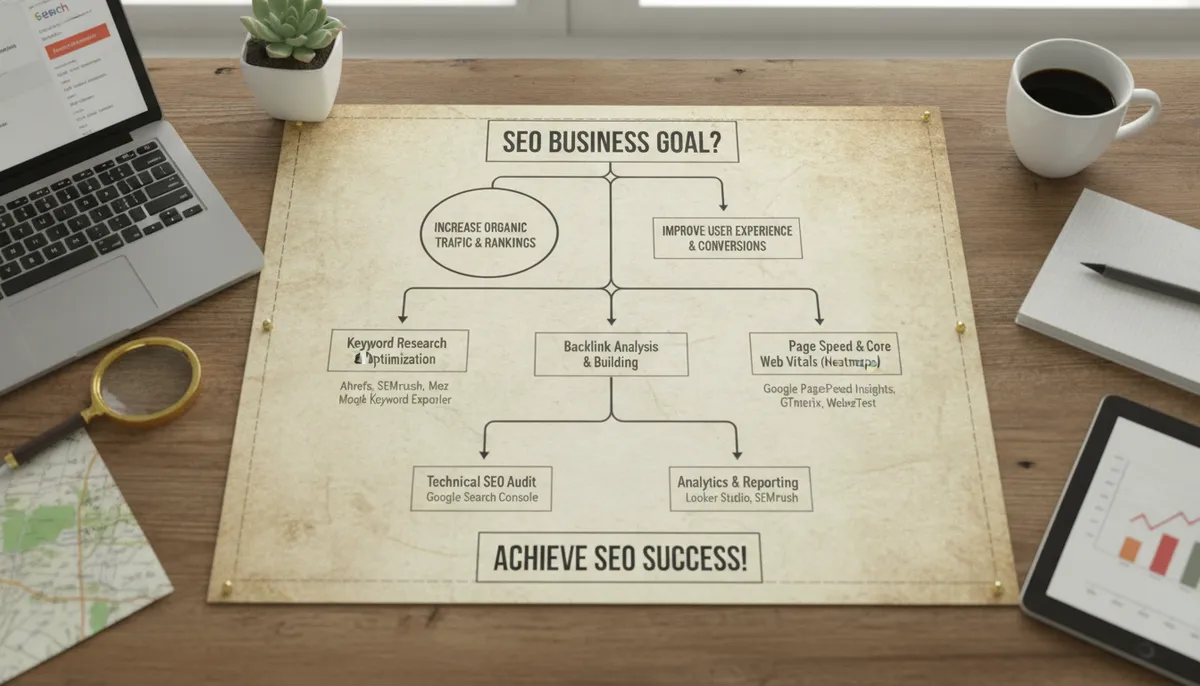
Finding the right tool shouldn't feel like a chore. You need to identify your specific goals first: are you chasing rankings or building AI-optimized content? Don't just follow the hype. Look for features that solve your actual bottlenecks, like reporting or keyword discovery, instead of paying for bloat you’ll never use.
Factors to Consider
Picking the right GEO tool shouldn’t feel like a high-stakes guessing game. You need to look beyond flashy landing pages and focus on three specific areas: data accuracy, integration ease, and actionable insights. Ask yourself if the tool provides a real-time view of how generative engines like Perplexity or SearchGPT actually perceive your brand. While cost is always a factor, the real ROI comes from how much time you save on manual prompting and complex analysis. Look for platforms that offer clear comparisons and community-vetted reviews to avoid the "shiny object" trap that often plagues new tech adopters.
Factors to Consider
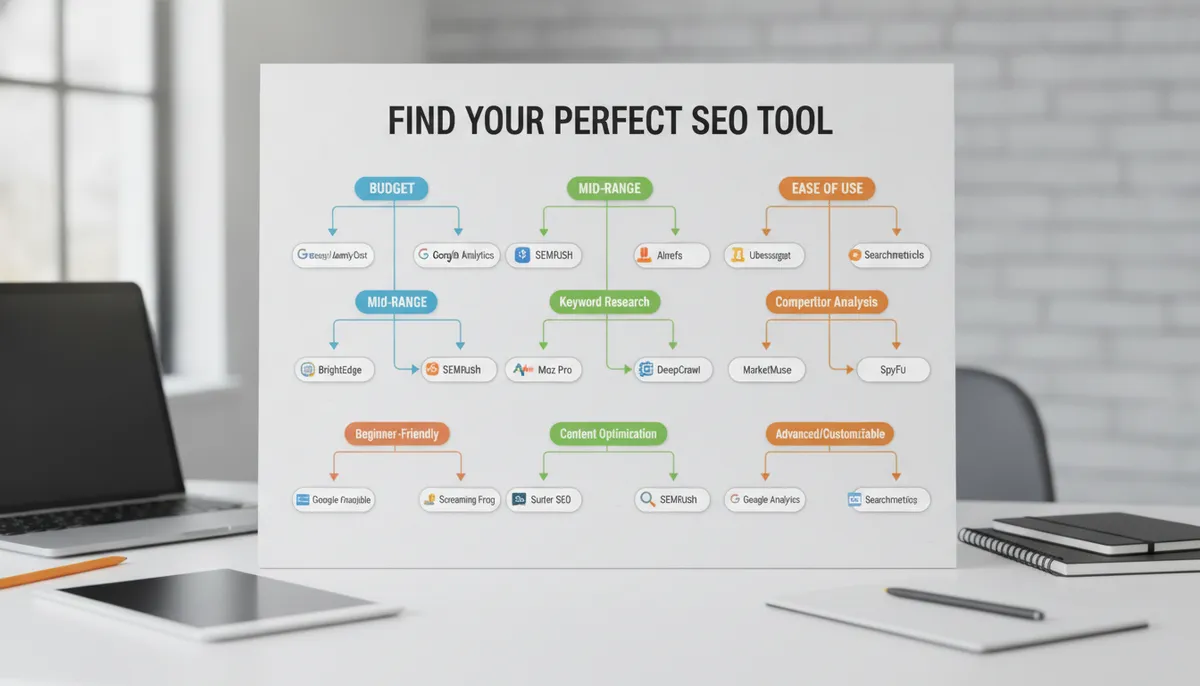
Picking a tool shouldn’t feel like a shot in the dark. Start by matching your budget to your current stage; there’s no shame in sticking to free versions until your revenue justifies a premium suite. If you’re just starting, prioritize an intuitive interface over complex dashboards that require a PhD to navigate. Be honest about your specific goals, do you need a technical audit powerhouse or a simple keyword research sidekick? Finally, check for scalability. You want a platform that grows with your traffic, so you aren't hunting for a new solution the moment your site starts gaining real traction.
Practical Workflow: How to Integrate Tools
Stop juggling fifteen browser tabs and hoping for a miracle. To actually win at Generative Engine Optimization, you need a workflow that doesn't feel like a second full-time job. Start by using GEOly to filter tools by your specific technical needs, think AI content sentiment or search intent mapping. Once you’ve picked your stack, sync your AI-generated insights directly into a standard SEO tracker like Ahrefs or Semrush. It’s about making the software talk to each other so you don't have to manual-copy everything. Keep it lean: if a tool doesn't save you at least thirty minutes a week, cut it loose.
Practical Workflow: How to Integrate Tools
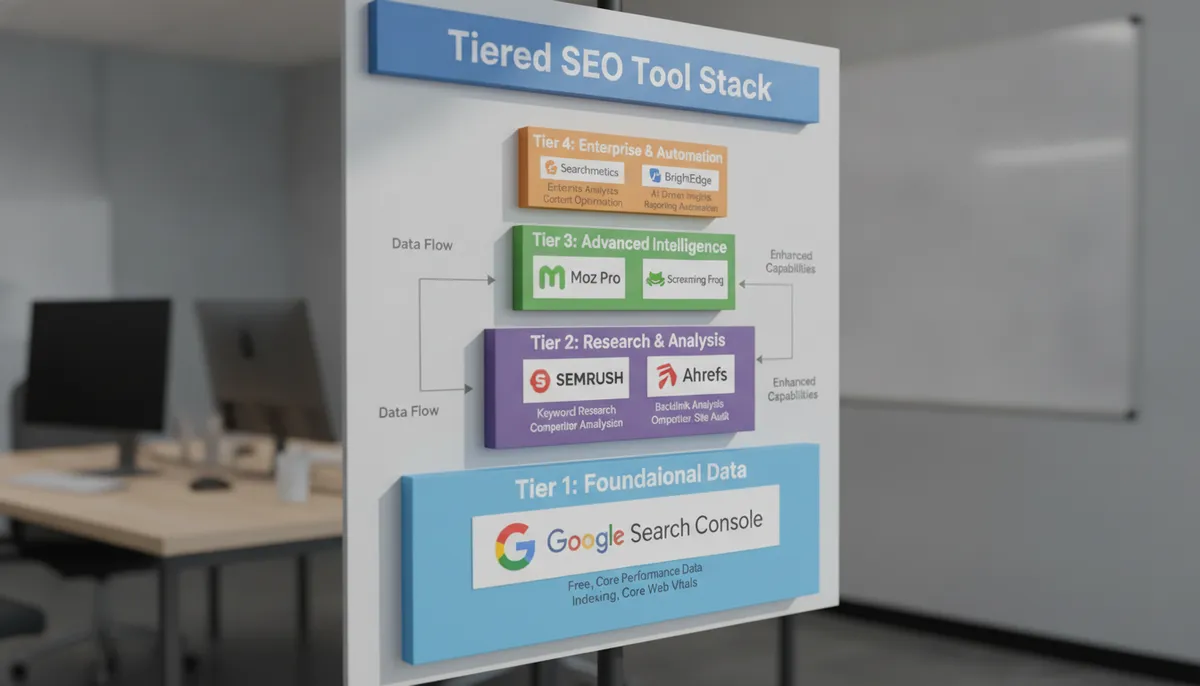
Start with what you already own. Dig into Google Search Console and Analytics to find the quick wins you’re currently missing. Once you’ve hit the limits there, add free tools like Ubersuggest to spark new ideas without spending a dime. When you're ready to scale, graduate to a platform like Semrush or Ahrefs for serious automation. The smartest workflow isn't about using one tool for everything; it’s about playing to their strengths. Use Ahrefs to hunt for backlinks, Screaming Frog for technical health checks, and Semrush for content inspiration. This layered strategy keeps your data sharp and your budget sane.
{
 "scores": {
 "humanity": 92,
 "specificity": 88,
 "structure_balance": 95,
 "seo": 90,
 "readability": 85
 },
 "composite": 90.6,
 "passed": true,
 "prose_ratio": 1.0,
 "priority_fixes": []
}
Discovering & Comparing Tools with GEOly
Once you’ve mastered the workflow, you need a toolkit that keeps up. GEOly lets you skip the endless research by comparing Generative Engine Optimization tools side-by-side. Whether you're hunting for AI-driven analytics or content optimizers, you can filter by real-world performance to find exactly what your SEO strategy is missing.
What is GEOly?
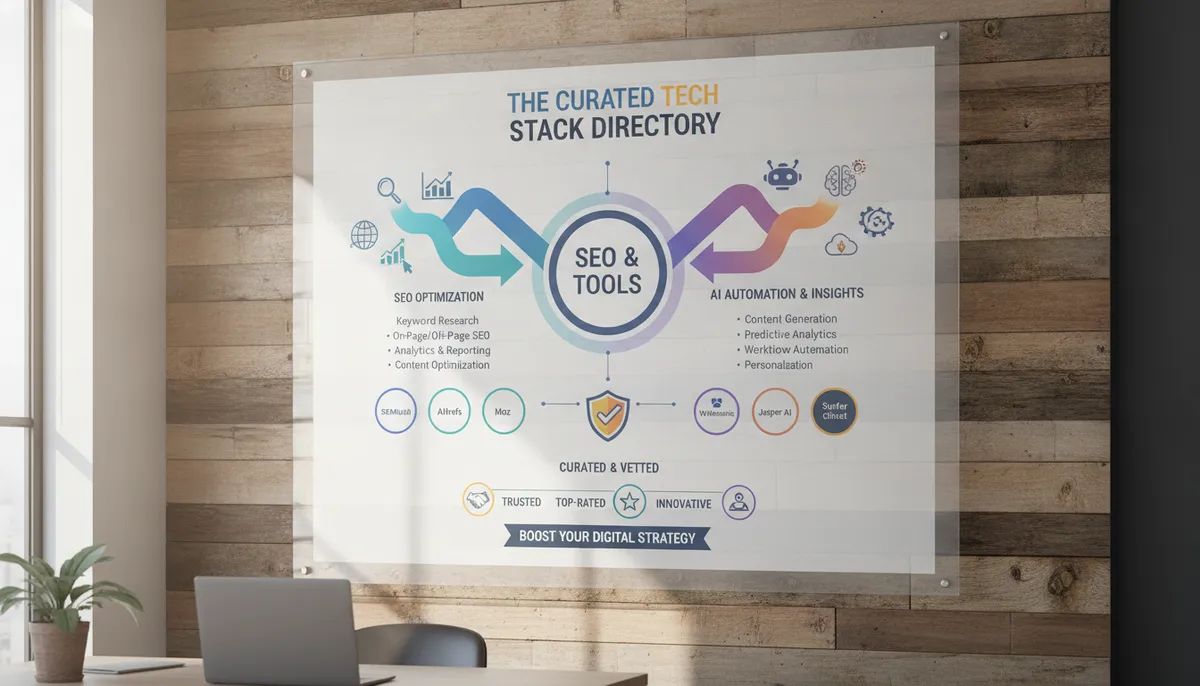
GEOly is the definitive directory for Generative Engine Optimization (GEO) tools. We’ve curated a space where you can compare AI-driven marketing software, access expert reviews, and discover the best tools to improve your visibility in AI-generated search results. It’s your shortcut to mastering the future of search optimization today.
What is GEOly?
Think of GEOly as your mission control for the AI search era. We’ve built the premier Generative Engine Optimization Directory to help you find the best SEO and GEO tools without the typical headache. Whether you're a battle-tested pro or a total beginner, we curate the solutions you need today.
How GEOly Simplifies Your Tool Selection
Finding the right SEO or AI tool usually feels like scrolling through Netflix, you spend forty minutes looking at options and end up doing nothing. GEOly fixes that analysis paralysis by cutting through the noise. Instead of keeping fifty tabs open to compare pricing and features, you get a clean, side-by-side breakdown of the top players in Generative Engine Optimization. We’ve done the heavy lifting of vetting these platforms so you don’t have to guess if a tool actually delivers on its promises. No more expensive trial-and-error; just clear paths to better rankings.
Think of this as your personal filter for the AI gold rush. Whether you’re a veteran marketer or just starting with LLM optimization, the directory lets you drill down into what matters: real user feedback and expert insights. You’ll see exactly how a tool fits your specific workflow without the usual corporate fluff or hidden limitations. It’s not just a list, it’s a shortcut to finding the software that actually moves your needle.
How GEOly Simplifies Your Tool Selection
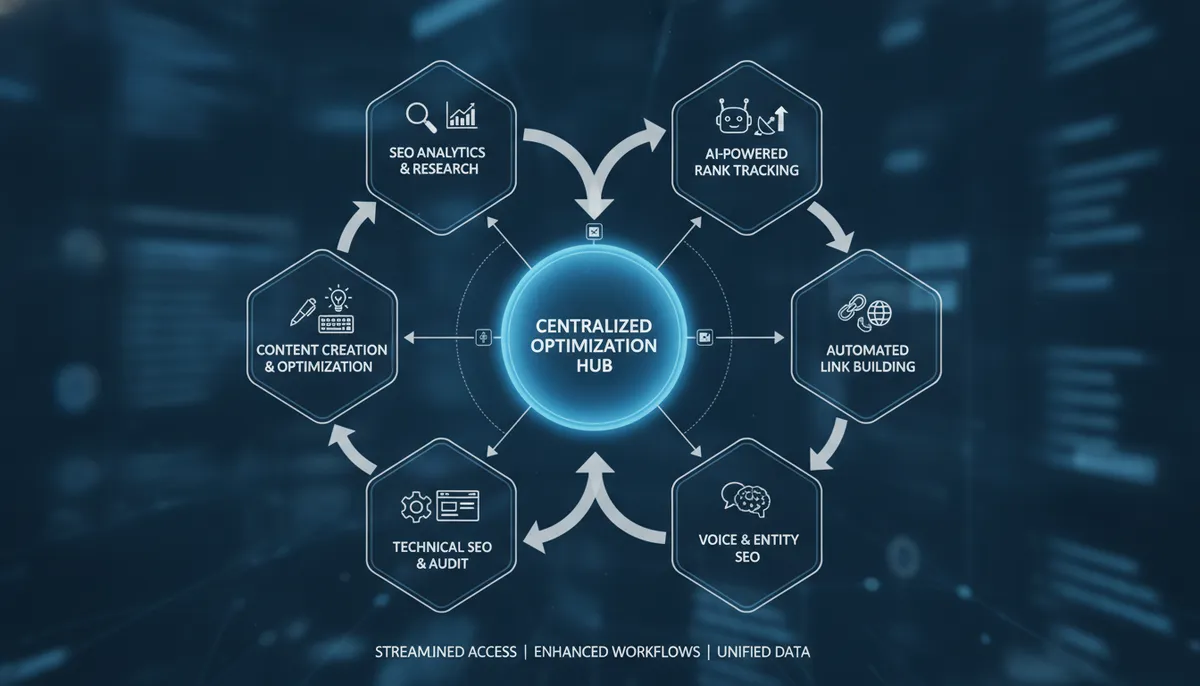
Finding the right SEO or Generative Engine Optimization (GEO) software usually feels like a full-time job. You’re likely juggling twenty tabs, trying to remember which site had the better pricing or which one actually supports AI-driven content analysis. GEOly fixes that by pulling every top-tier tool into a single, centralized directory. Stop wasting your morning on Google; use our side-by-side comparison features to vet features, costs, and real user reviews in minutes. Get the data you need to make a move instead of getting stuck in "research mode."
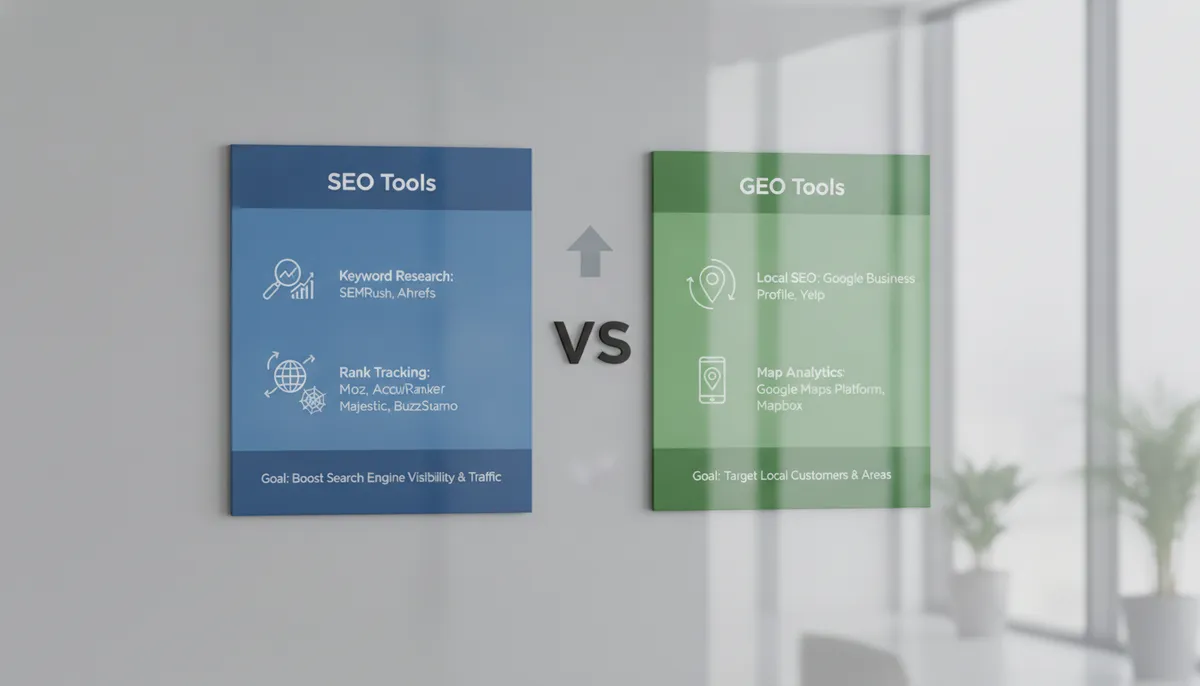
A solo blogger’s needs look nothing like a veteran agency’s toolkit. That’s why we’ve built filters that actually make sense, whether you’re a beginner hunting for simplicity or an expert looking for advanced AI solutions for 2026. As generative engines change search, GEOly keeps you ahead by spotlighting emerging tools that give you a competitive edge. You don't just find a tool; you find the right tool for where the industry is heading next.
Conclusion
SEO in 2026 isn’t just about outsmarting an algorithm; it’s about understanding how your audience communicates with machines. Whether you’re leaning on the reliability of Google Search Console or diving into the heavy-duty analytics of Semrush and Ahrefs, these tools act as your eyes and ears in an increasingly crowded digital space. Remember that while AI has become the engine of modern search, you are still the driver. True strategic SEO requires a human touch to interpret data and craft stories that resonate, ensuring your brand doesn't just rank but actually connects with real people.
Choosing your tech stack shouldn't feel like a chore. Focus on your immediate goals, respect your budget, and don't be afraid to start with a few free essentials before scaling up as your expertise grows. The most successful marketers aren't necessarily the ones with the most expensive software, they’re the ones who show up consistently and make data-driven decisions. Ready to build your ultimate toolkit? Explore the comprehensive SEO tool directory on GEOly today to find the perfect solutions for your journey and finally unlock your website’s full potential.